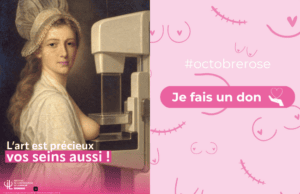


Every year, the month of October is dedicated to raising awareness about breast cancer. Through Pink October, healthcare professionals, organizations, businesses, local governments, and citizens come together to provide information on breast cancer prevention and screening and to support those affected.
In France, breast cancer is the most common cancer among women, with more than 61,000 new cases diagnosed each year. When detected early, it can be treated more quickly, and treatments are generally less intensive.
At the Baclesse Center, we are working alongside you throughout the month of October to provide information, raise awareness, and remind everyone of the importance of regular screenings.
Breast Cancer Screening: Why Is It So Important?
Regular screening for early detection
Breast cancer screening helps detect potential abnormalities or cancer early, before symptoms appear.
This early detection increases the chances of recovery.
Furthermore, cancers detected at an early stage generally require less intensive and less aggressive treatments, with fewer side effects.
For your information: One in eight women will develop breast cancer during her lifetime. The risk is highest between the ages of 50 and 74 (80%). However, when detected early, breast cancer is curable in 9 out of 10 cases.
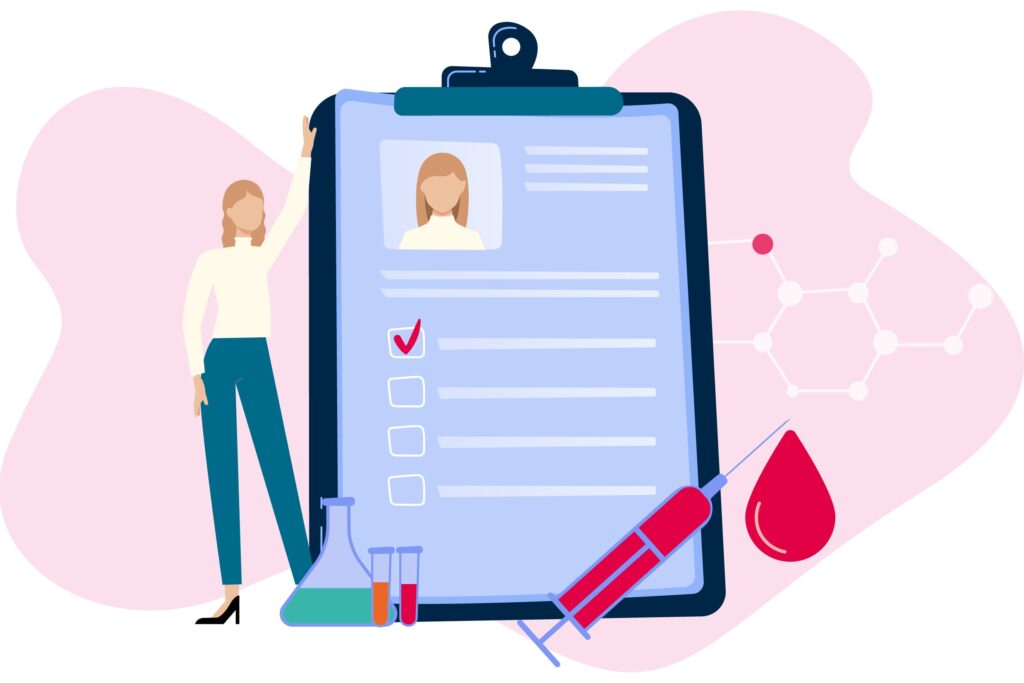
THE RIGHT THING TO DO: Don’t wait for symptoms to appear to participate in organized screening if you are eligible. Organized screening is not a substitute for a medical consultation if you have symptoms or are in a specific situation. If you notice an unusual change in your breast, talk to a healthcare professional.
Screening: How Does It Work?
It is recommended that you schedule a follow-up gynecological visit with a doctor, gynecologist, or midwife for a breast exam.
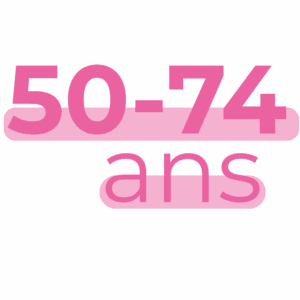
Organized screening allows all women aged 50 to 74 who are not at high risk to undergo a clinical examination and a mammogram every two years at an approved radiology facility. For more information, contact the Regional Cancer Screening Coordination Center in your area. Mammograms should be repeated every two years in the absence of symptoms or a specific medical history.
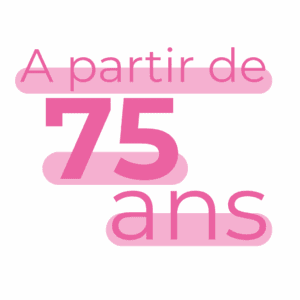
Screening will once again be on an individual basis, and follow-up care will be provided by a doctor, a gynecologist, or a midwife.
For women under 50 and 75 and older, this is referred to as individualized screening. It is intended for women who have personal or family risk factors and require personalized monitoring as determined by their doctor (for example, a mammogram). Beyond these identified and supervised situations, an annual clinical breast exam should be performed on all women starting at age 25 by their primary care physician, a gynecologist, or a midwife.
The Steps in Screening
1 – Make an appointment
Make an appointment with a radiologist listed in the letter you received inviting you for the exam.


2 – Get a mammogram
A mammogram produces images of your breasts to check for any abnormalities.
3 – A clinical examination complements the mammogram
The healthcare professional also performs a clinical breast exam.

4 – The Results
The radiologist will share the preliminary results of your exam with you. As part of the organized screening program, the images are also reviewed a second time by another radiologist.
Between screenings: Stay alert
Organized screening is intended for women who have no symptoms. If an unusual change occurs between screenings, it is important to see a doctor without waiting for the next screening.
Changes that should prompt you to seek medical advice include:
- the appearance of a lump or swelling in the breast or under the arm
- a change in the skin of the breast
- a change in the nipple or areola
- unusual discharge
- a change in the shape or appearance of a breast.
Mammograms: Separating Fact from Fiction
"A mammogram is bound to hurt."
A mammogram may be uncomfortable for a few seconds. If you have any concerns or if your breasts are particularly sensitive, please don’t hesitate to let the radiology team know so they can provide you with the best possible care.
"I don't have any symptoms, so I don't need to get tested."
Screening is specifically designed to detect certain abnormalities before symptoms appear. That is why it is important to participate in the organized screening program if you are eligible.
"I'm afraid of the results, so I'd rather not get tested."
The fear of a diagnosis can be difficult to cope with. However, screening makes it possible to detect certain abnormalities at an early stage, when treatment may be simpler.
If you're worried, don't hesitate to talk to a healthcare professional or ask someone to come with you. You can also bring someone along to your appointment.
"I have small breasts, so I can't get a mammogram."
Breast size does not prevent a woman from having a mammogram. In some cases, however, the density of the breast tissue may lead the radiologist to recommend a follow-up ultrasound.
"I'm 50 years old, but I haven't received my invitation for screening. What should I do?"
Contact your health insurance provider and check your Ameli account to see if you have received an electronic reminder.
Throughout the month of October, the Baclesse Center is participating in the Pink October campaign.
On the program:
🎀 Team Efforts
The professionals at the Baclesse Center are working together to spread the word about prevention and screening.
🎀 Awareness Campaigns
. Follow our social media channels throughout the month for informative content.
🎀 Solidarity Initiatives
Organizations, businesses, sports clubs, local communities, and individuals are also joining forces with the Baclesse Center through walks, runs, sports challenges, fundraisers, sales, and other solidarity initiatives.
👉 Check out the events organized to support the Baclesse Center below and join the effort!
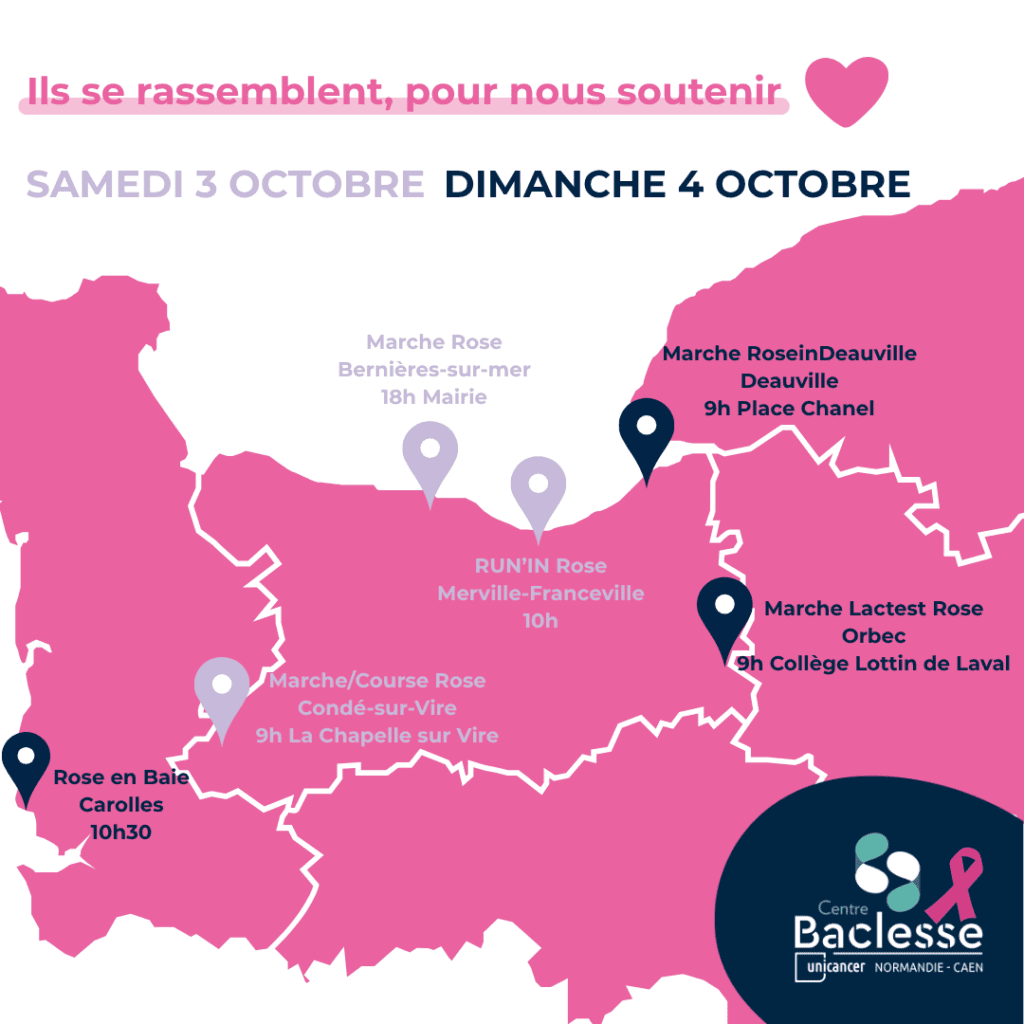
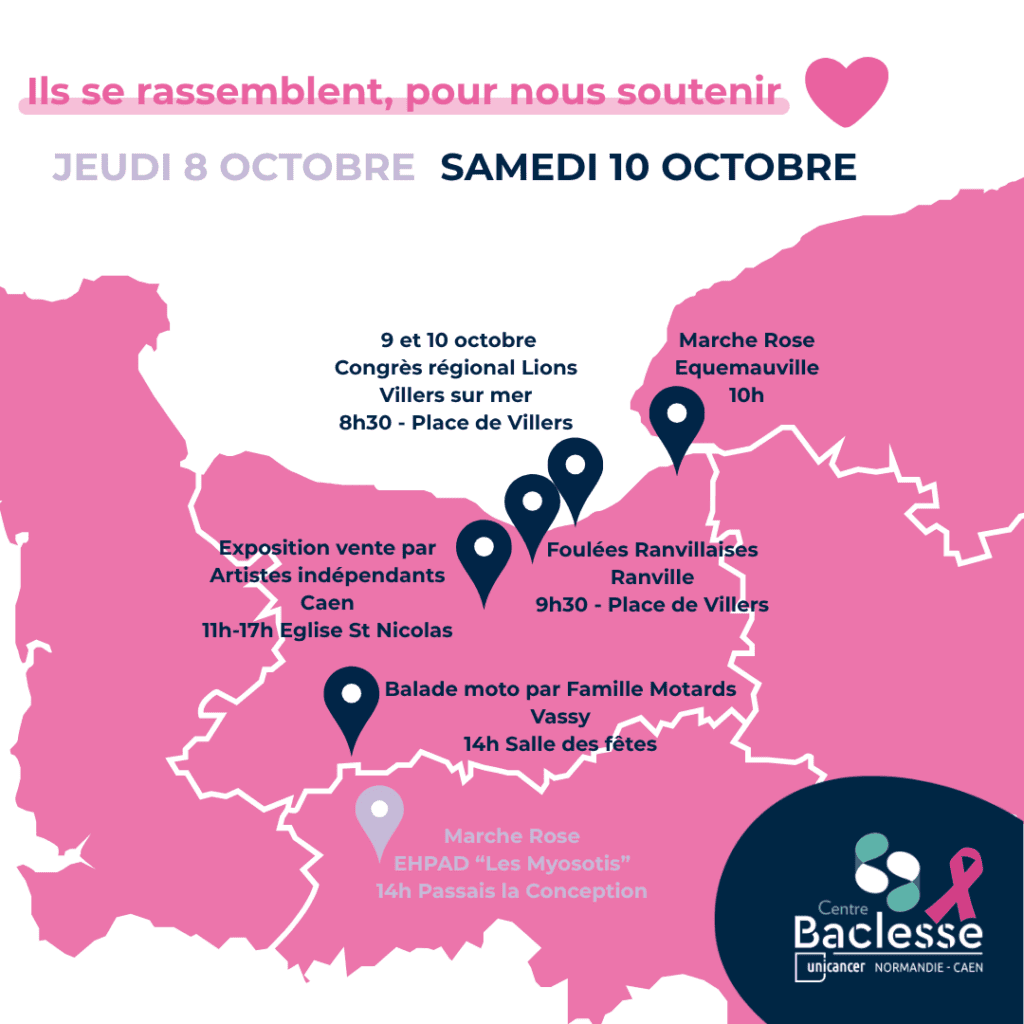
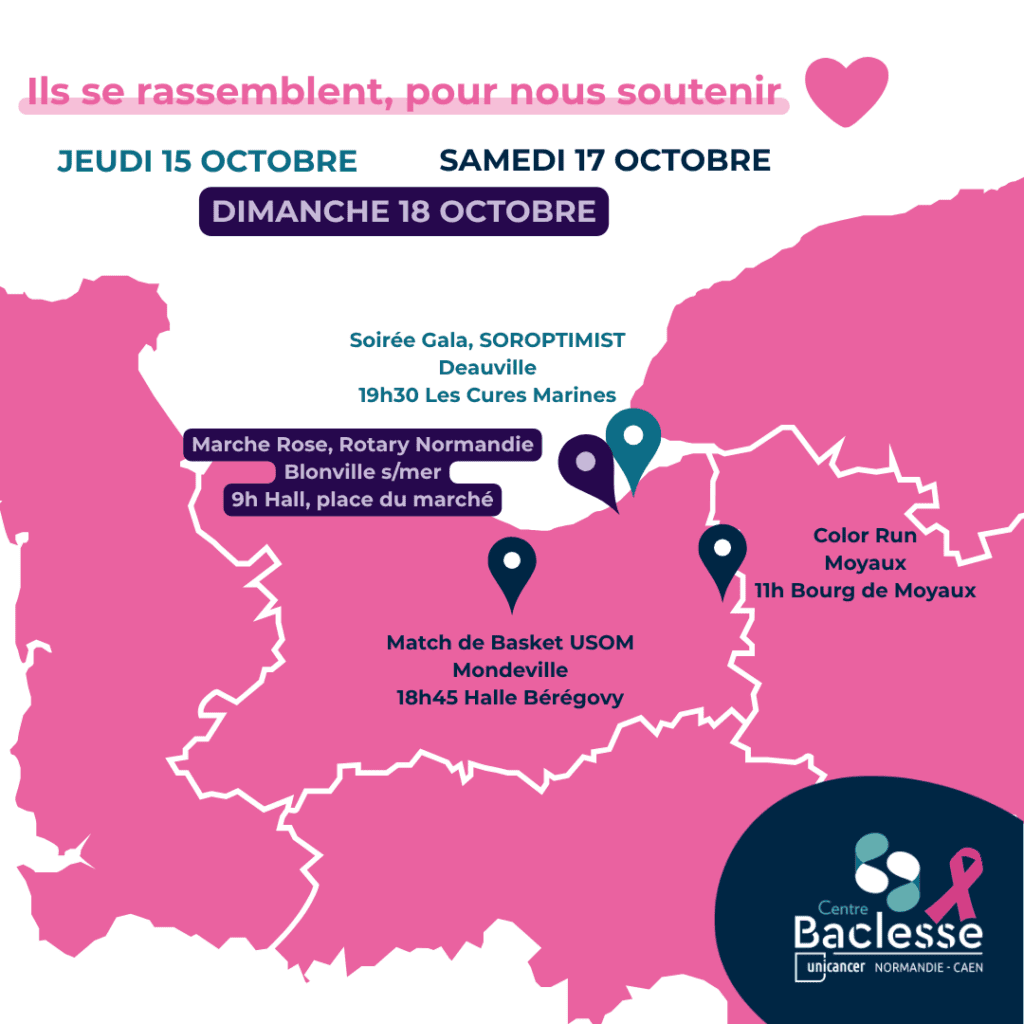
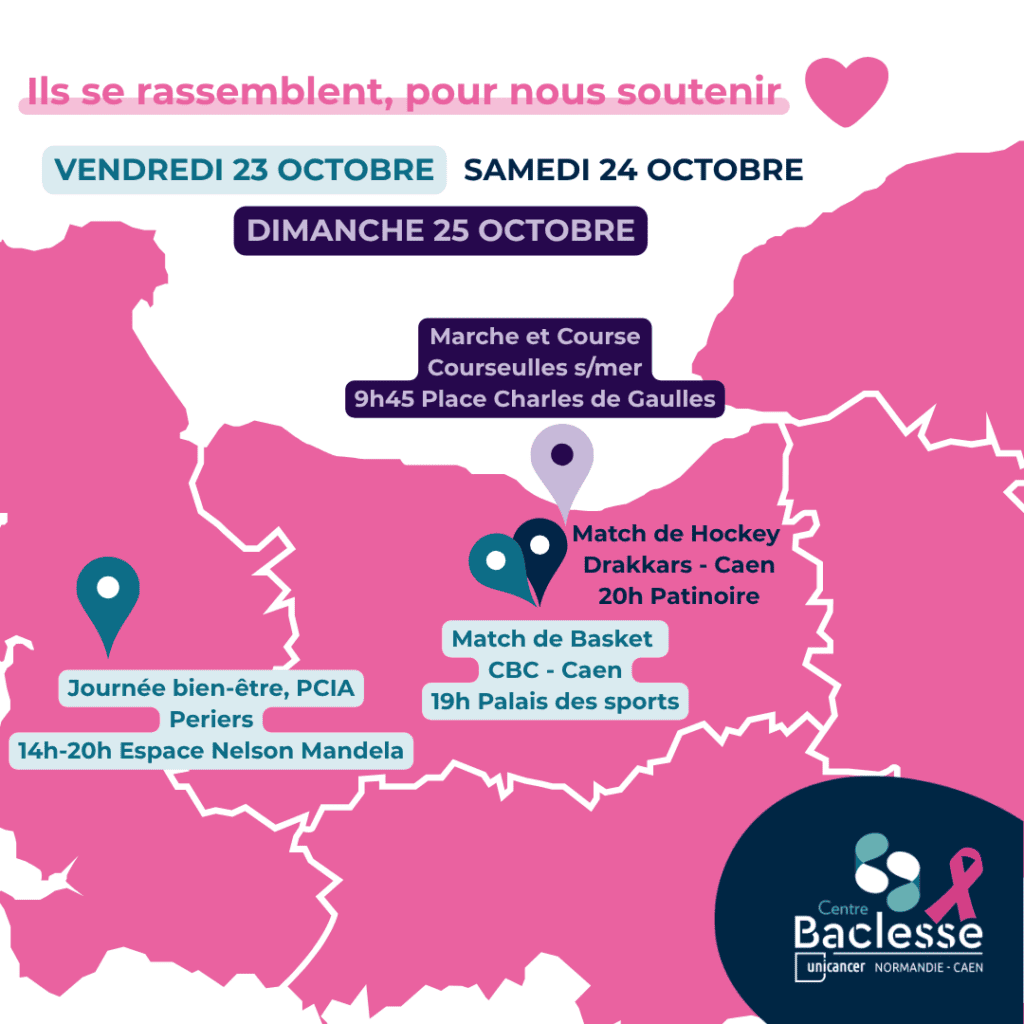
This list is not exhaustive. Thanks also to the Manoir de la Poterie, the Moulin des Pierres in Caen, Gang de Normandes, Frères Chaussettes, Biocoop Jonathan, Espace 3A, the Saint-Joseph Vocational High School in Deauville, the organizers of the Marche Rose from the Détente Sportive Portaise association, the municipalities and associations of Saint-Pierre-Azif, Soliers, Éterville, and Saint-Ervoult-Notre-Dame-du-Bois, the COS in Hérouville-Saint-Clair, the Atelier d’un Jour, the Jardin de l’Espérance, the Chapuy Hardware Store in Pont-l’Évêque, the Grand Hôtel in Cabourg, L&Choux in Caen and Bretteville-sur-Odon, Corail Pétale in Trouville-sur-Mer, as well as the City of Ifs, the Ifs soccer club, Cap Orne in Laize-Clinchamps, etc.
Against breast cancer: why donations are important?

Donations support research for :
- Developing new, more effective and less toxic treatments
- Improving diagnostic and screening techniques
- Financing projects that improve comfort and quality of life
Every donation, no matter how small, counts!
You can also get involved in Pink October by :
- Talking about breast cancer to those around you
- Encouraging women to take part in breast cancer screening
- Wearing a pink ribbon
Against breast cancer: join forces to support research and protect the women we love
Everyone can get involved in Pink October and take action, individually and collectively.
Together, we can make a difference!

You can make a donation to our researchers and doctors to support their breast cancer research projects.

You can also support an open Pink October fundraiser.

You can also organize a Pink October fundraising event by setting up a fundraising page for the Centre Baclesse.