
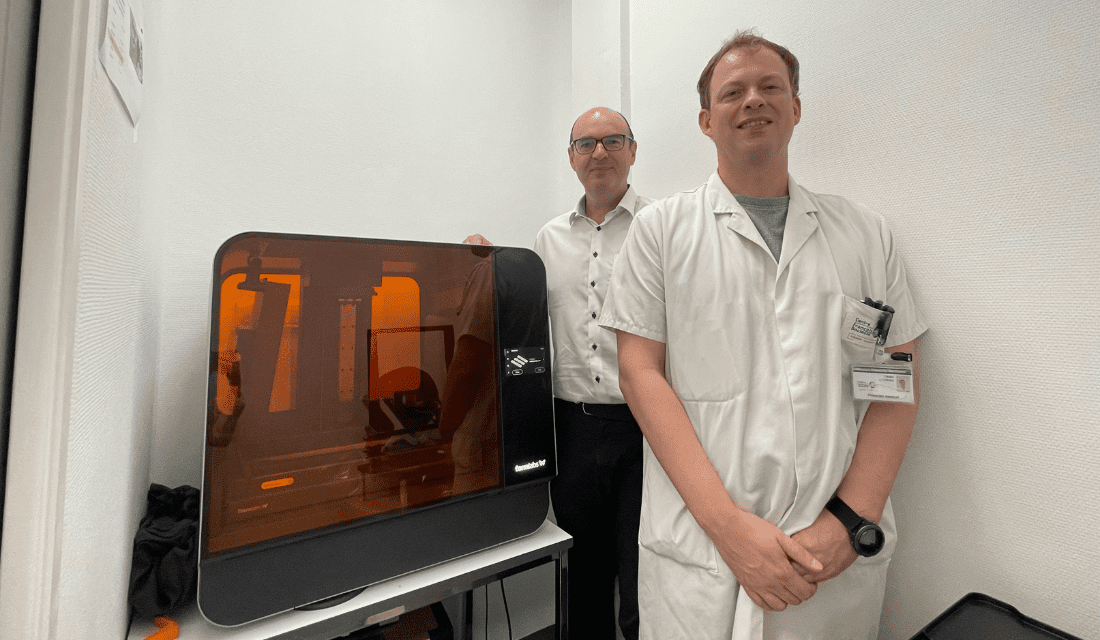
The H3DMED research project, led by the Centre François Baclesse, received €246,000 in ERDF funding as part of the Normandy region's "Data and associated technologies applied to healthcare" call for projects.
Initiated in June 2021 and carried out in partnership with Evanov SAS (Caen), this project has demonstrated that personalized brachytherapy treatments for skin and gynecological cancers have the potential to be optimized and used in a healthcare facility thanks to thecombined use of Artificial Intelligence and 3D printing.
Call for projects: "Data and related technologies applied to health"
Co-financed by the European Union and the Normandy Region within the framework of the European Regional Development Fund (ERDF), this call for projects provides financial assistance to the winners, as well as theexpertise of DataLab Normandie and the Health Data Hub, notably for the acquisition of databases and the allocation of a digital project space.


What is personalized brachytherapy?
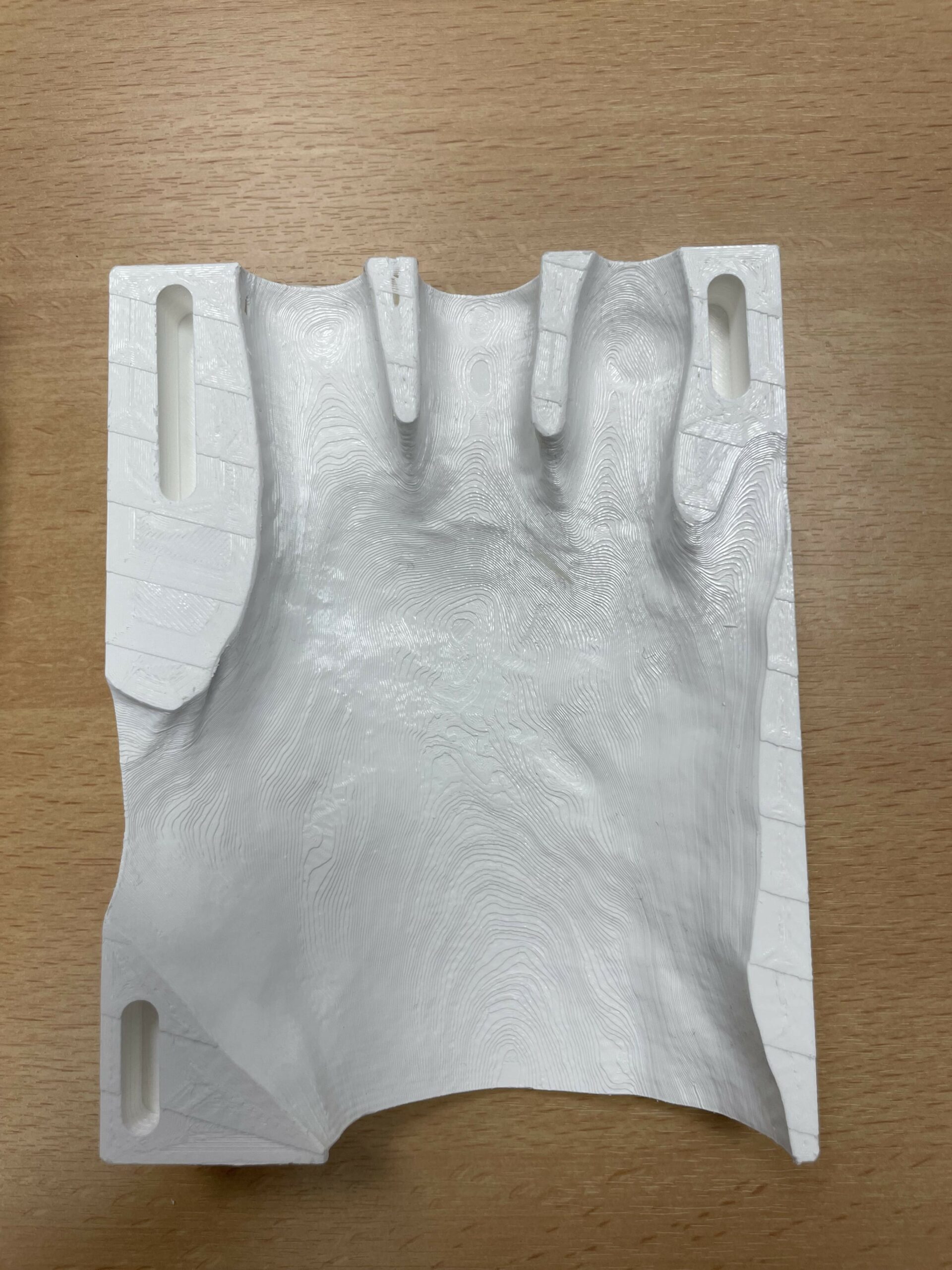
For over 30 years, the Centre François Baclesse has specialized in personalized brachytherapy. This radiotherapy technique irradiates tumors using radioactive sources that are positioned in the immediate vicinity of the area to be treated, using resin guides known as "applicators".
The positions of the radioactive source (called "dose paths") are calculated froma densitometric scan of the patient and dosimetry software (called TPS).
Results of the research project:
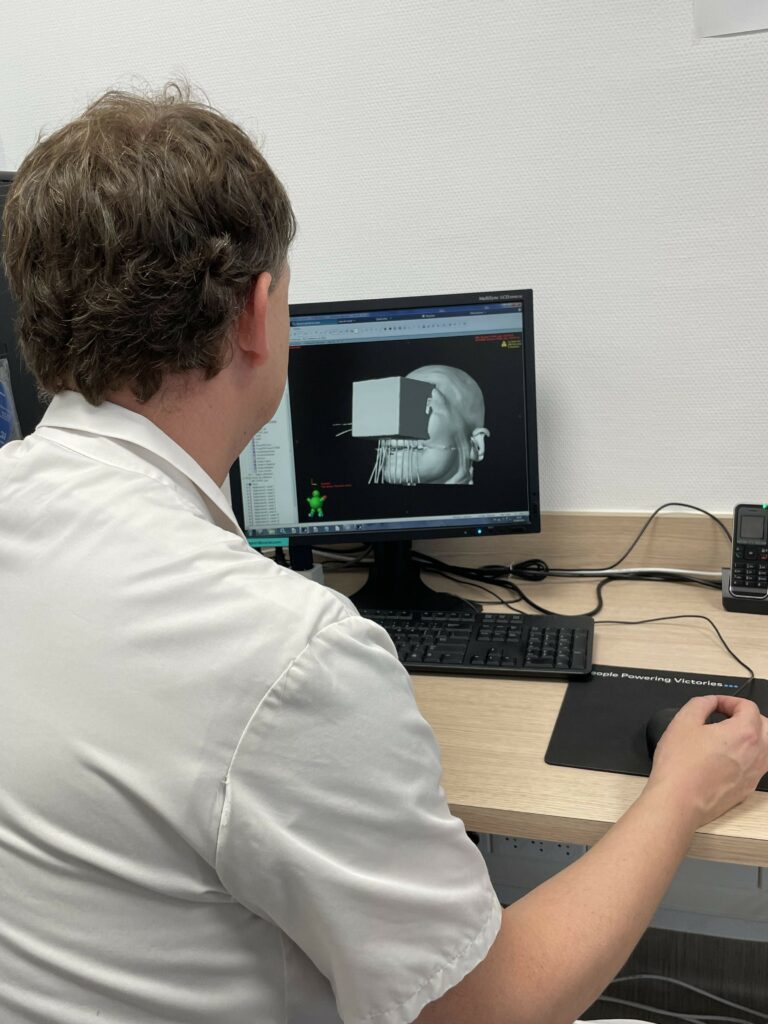
The H3DMED project has demonstrated that Artificial Intelligence can provide medical physicists with optimized treatment dosimetries, while saving significant planning time.
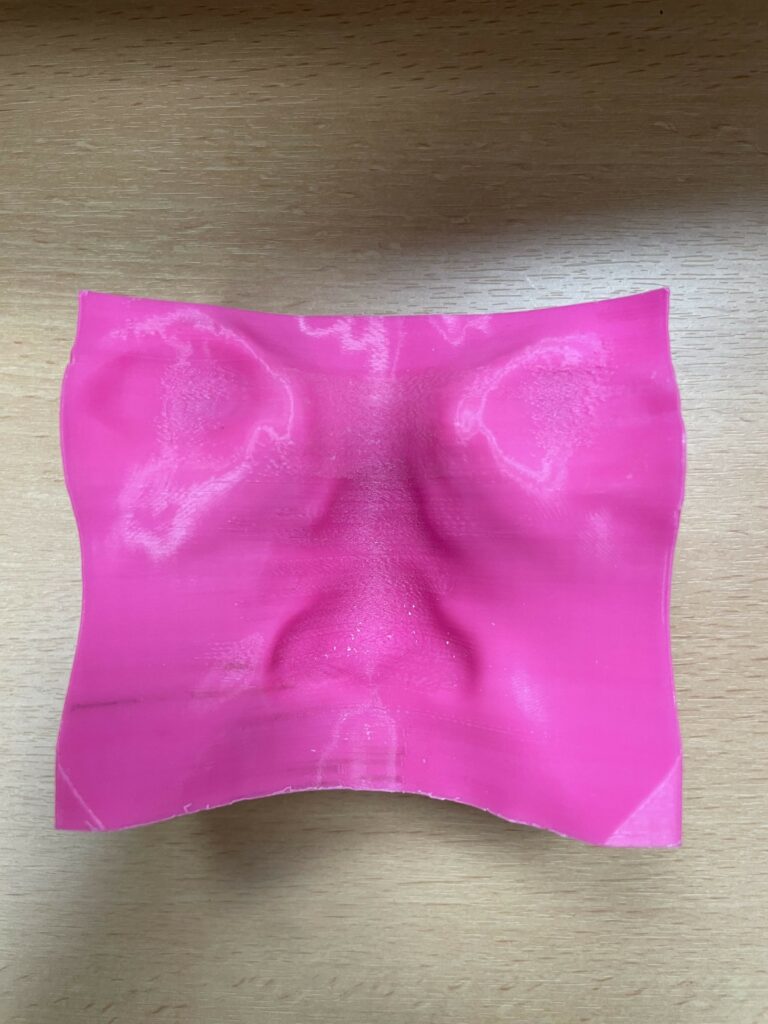
Secondly, 3D printing enables the precise manufacture of personalized applicators that faithfully reproduce the dose paths proposed by artificial intelligence and validated by the medical team.
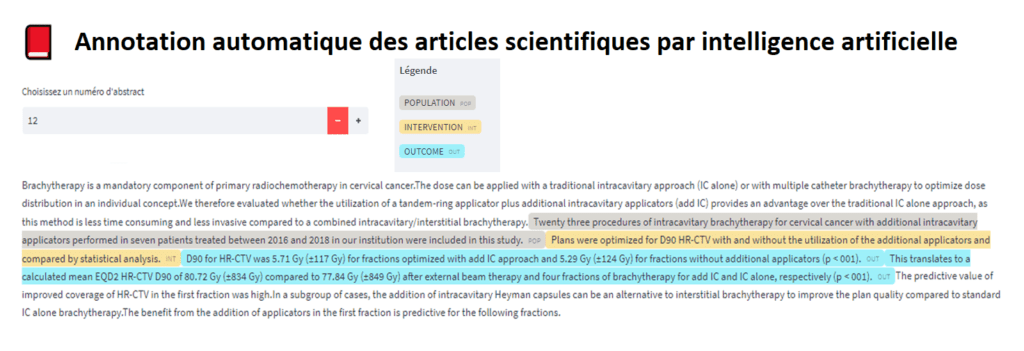
Finally, as regulated medical devices, the clinical use of these personalized applicators requires a literature review to assess the state of the art of knowledge in the field and the benefit/risk ratio for patients. To facilitate and accelerate this process, Artificial Intelligence has been developed to automatically annotate scientific texts, saving up to 50% of the analyst's time compared with a manual approach.
Outlook
The research results obtained are very encouraging and open up new prospects for personalized, optimized medicine in the treatment of cancers by brachytherapy, thanks to the combined use of Artificial Intelligence and 3D printing.
If these advances are to be made clinically available on a routine basis, further investment in development and clinical research will be required. This will make it possible to refine techniques, validate their efficacy and safety, and ensure their compliance with regulations.
Who's involved in the project?
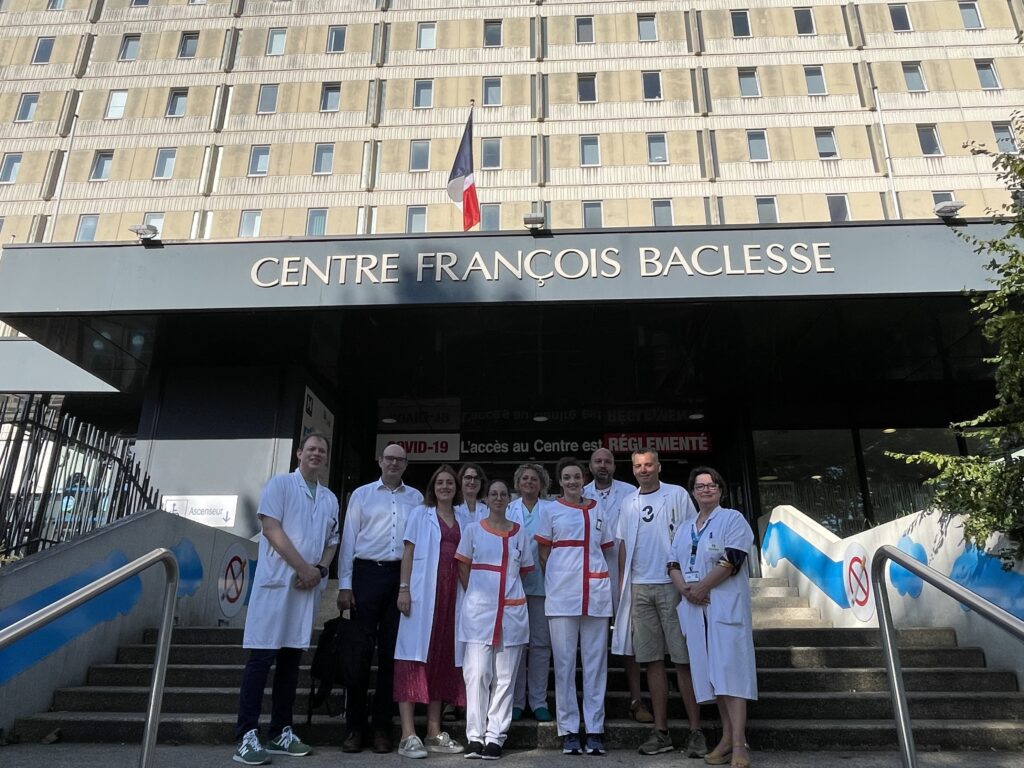
Evanov SAS (Caen): supports innovation projects in the healthcare sector, providing expertise in the development of medical devices (set-up and management of innovation projects in the healthcare sector, R&D, Artificial Intelligence, quality and regulatory affairs).

Momenttech (Caen): software publisher specialized in Artificial Intelligence, research and development.

LITIS (Rouen): Laboratoire d'Informatique du Traitement de l'Information et des Systèmes, is an information science and technology research unit attached to the Université de Rouen Normandie (URN), the Université Le Havre Normandie (ULHN) and the Institut National des Sciences Appliquées de Rouen Normandie (INSARN).
Center François Baclesse: Brachytherapy unit / Radiotherapy department
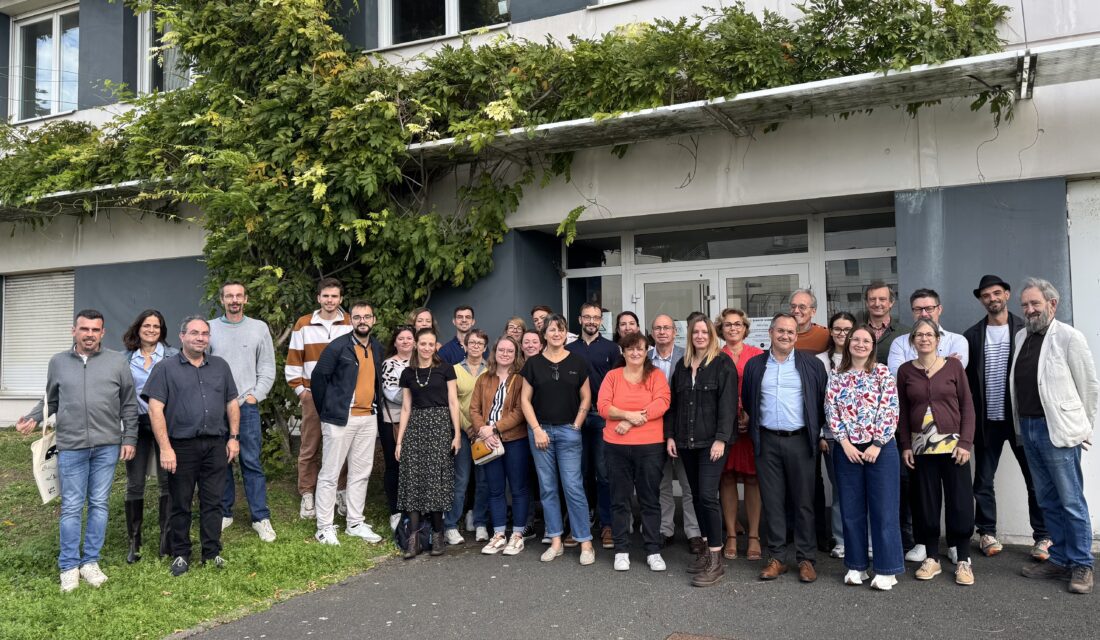
The radiotherapy department, headed by Prof. BALOSSO, boasts a broad technical platform (stereotaxy, arctherapy, proton therapy, etc.) covering a wide range of treatments. Among these, the brachytherapy unit specializes in the use of radioactive sources to treat several types of cancer.