

The Baclesse Center, a major player in cancer care in Normandy, is celebrating a historic milestone: its centenary. Officially established on October 15, 1925, the institution is celebrating a century of commitment and struggle against cancer, research, and care. The anniversary closes with a reaffirmation of the philosophy that shapes its DNA: "The Baclesse Center, a whole way of life."
100 years of history and innovation in the service of patients
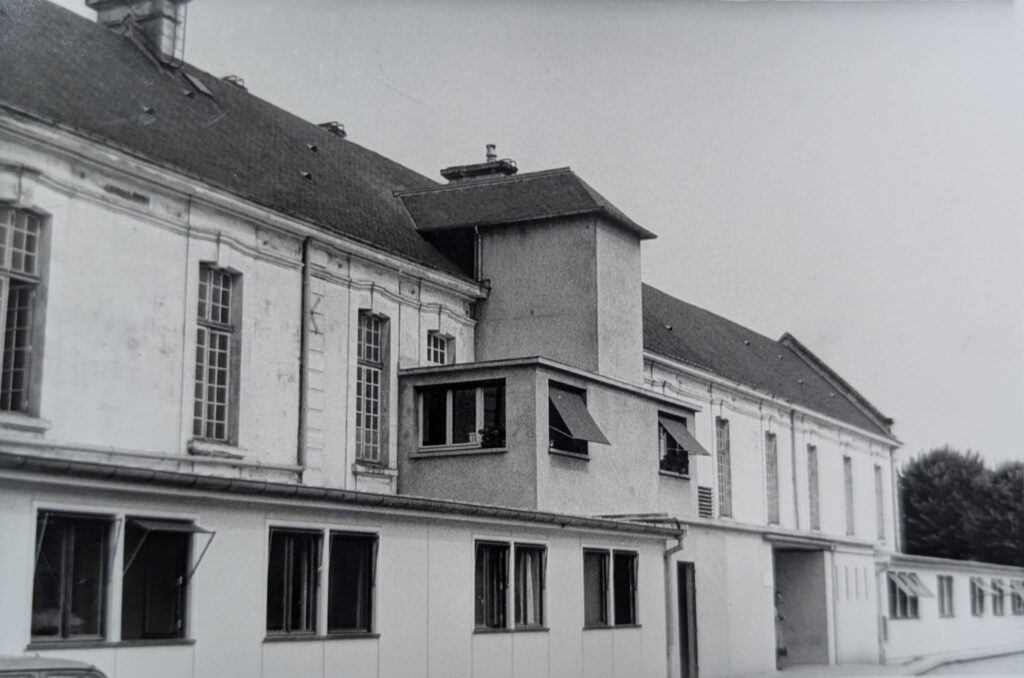
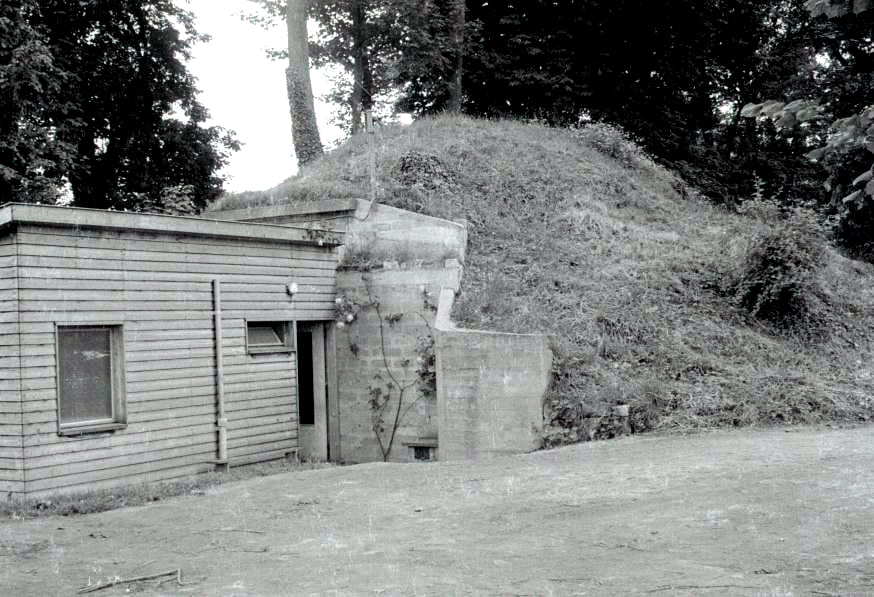
On October 15, 1925, the Centre Anticancéreux de Caen opened its doors in Pavillon 2 of the Hôpital Clémenceau. It was one of the first French establishments entirely dedicated to the fight against cancer, born of the national will to structure the response to this disease and the local commitment of the Conseil Général du Calvados and the patron Baron Maurice GÉRARD, who financed the purchase of radium for the first treatments.
The Center distinguished itself early on by combining care, research and teaching on a single site. Patients benefited from modern equipment provided by Marie CURIE's laboratory, and in 1933 a scientific research laboratory was inaugurated. Despite the difficulties of the Second World War, the Center returned to full capacity after 1944, strengthened by the directives of the ordinance of October 1, 1945, signed by General DE GAULLE. This established the Cancer Research Centers as private, not-for-profit establishments participating in the public service, eligible to receive donations and legacies, and with a governance structure involving the Prefect of the Region and the Minister of Health.
Over the decades, the Centre Anticancéreux de Caen developed and modernized its equipment and techniques, becoming the Centre François Baclesse in 1970, in tribute to Dr. François BACLESSE, a pioneer of modern radiotherapy. His work, particularly on breast cancer, paved the way for conservative treatments and advances in radiotherapy.
For Professor Roman ROUZIER, Chief Executive Officer:
"Celebrating our 100th anniversary is above all a source of immense pride in seeing the progress we have made. This centenary reflects a century of constant innovation, but the real driving force behind these advances is the Centre's teams and professionals. Their daily commitment and sense of belonging are the beating heart of our institution."
A centenary of art, history and sharing
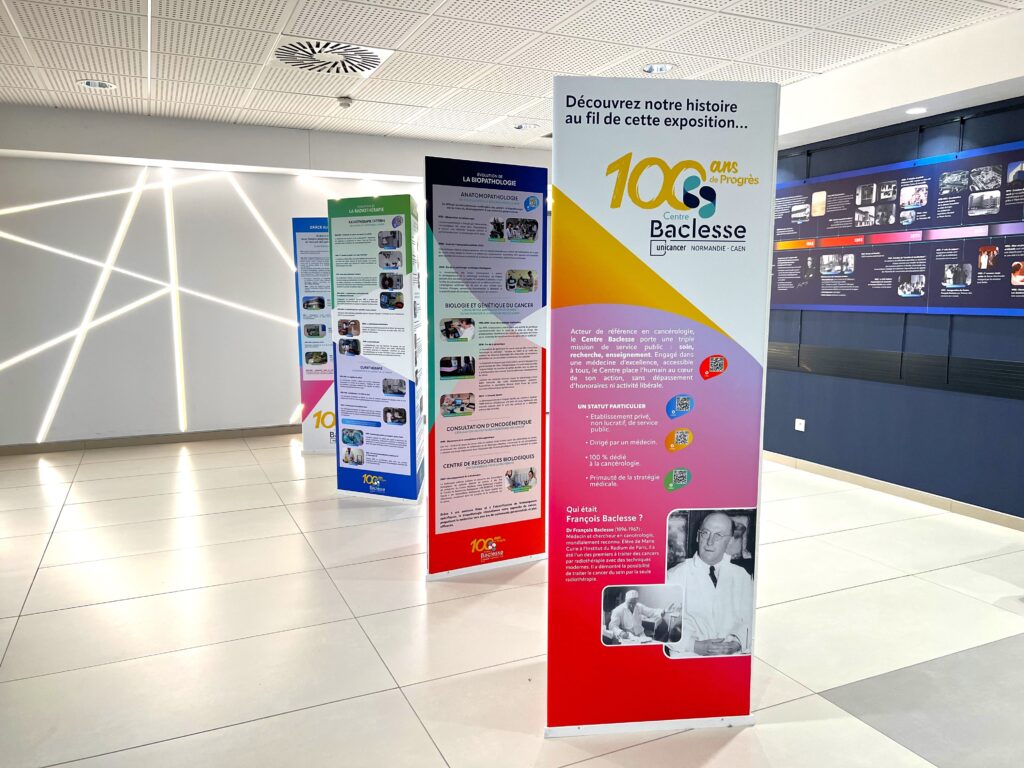
This year, the Centre Baclesse wanted to share its history and values with all its visitors. An immersive exhibition was set up in the Centre's lobby, with 12 panels tracing the evolution of its care, research and teaching missions, accompanied by video testimonials.
The web series "Regards croisés" (Cross Perspectives) illustrates the link between past and present by comparing the experiences of former professionals at the Center with those of employees who now hold the same positions. This project highlights the continuity and transmission of knowledge in an institution that is constantly evolving.
A brand new special "100 Years" website has been developed. It traces the history of the Baclesse Center, marked by science, resilience, and humanity. Discover the key moments that have marked the progress of our missions in cancer care, teaching, and research.

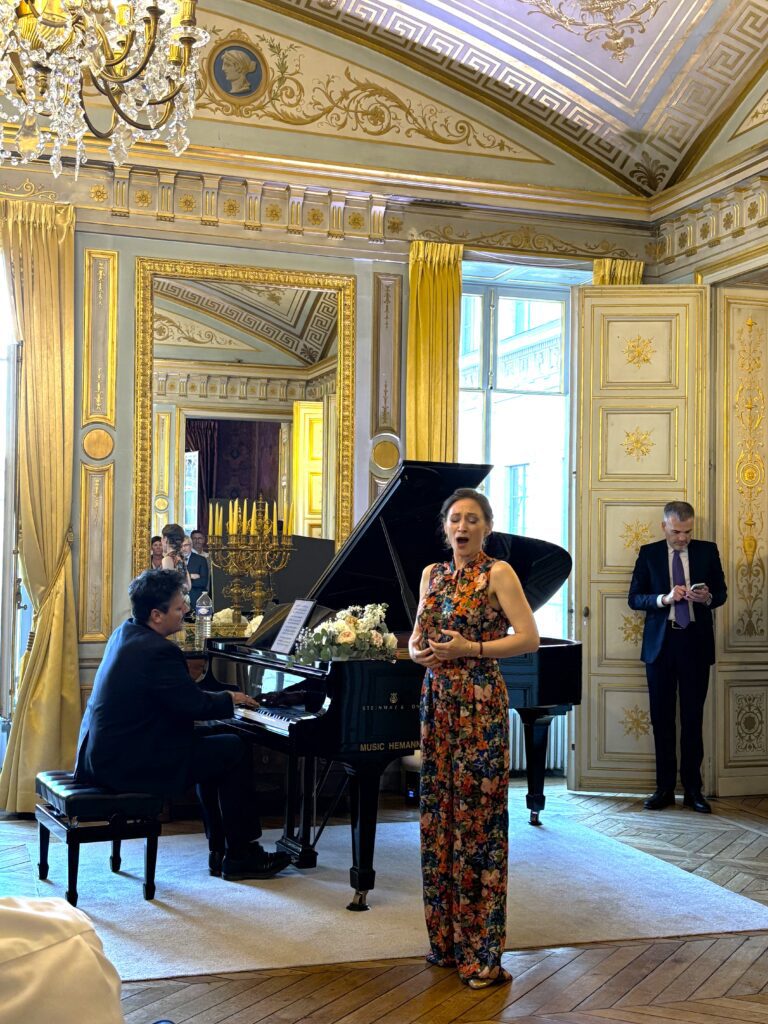
The Caen-based graffiti artist SoLiCe and the soprano Sabine DEVIEILHE embody, with their respective disciplines, the meeting of creativity, humanism and scientific commitment. SoLiCe has created several monumental frescoes on the site, with the active participation of over 250 employees, illustrating the role of collaboration and a sense of belonging in the life of the Center. Sabine DEVIEILHE gave a concert at the charity dinner on June 19, 2025, and also offered musical moments in the hospital ward on the 7th floor.
For Michael CANOVAS, Deputy Director General:
"The most valuable legacy of the Baclesse Center is its regional roots and the strong values we have upheld for 100 years: solidarity, humanism, excellence, and innovation. This unique, agile, and evolving model allows us to remain at the forefront of the fight against cancer, both in terms of research and the organization of care pathways."
Dr. Carine SEGURA-DJEZZAR, president of the CME, adds:
"As a medical community, we appreciate the scale of the fantastic progress made in oncology. This centenary is one of constant innovation in a humanistic environment, a history written for and with patients."
Why is the Center called the "François Baclesse Center"?
It's a question we're often asked by patients and visitors...
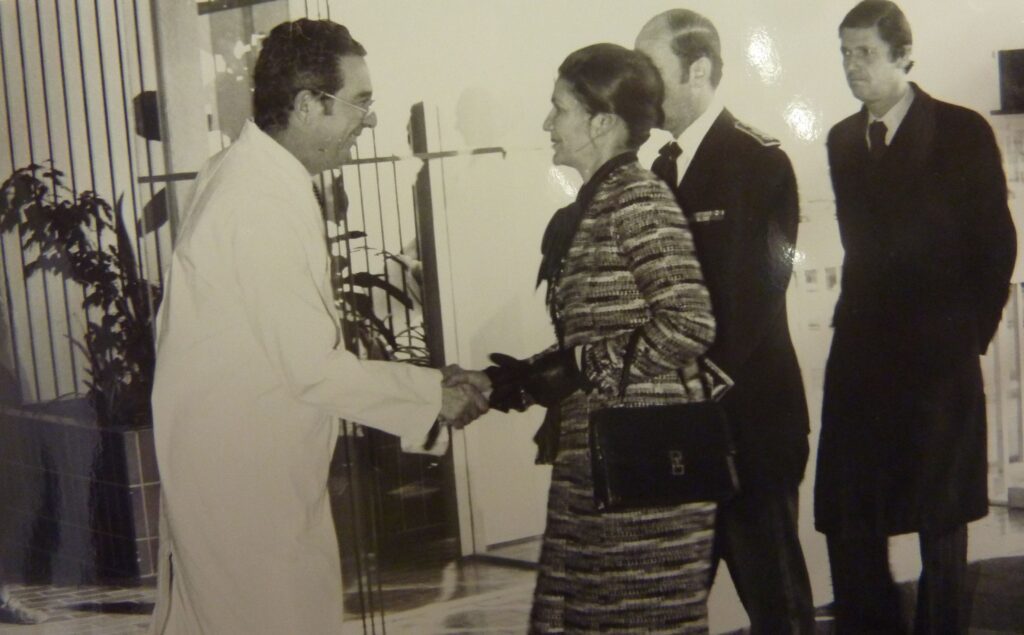
When they were founded in the early20th century,France's cancer centers decided to pay tribute to pioneers by taking the name of a scientist who had advanced cancer research and treatment. Dr. Jacques-Séverin ABBATUCCI, director of the Center in 1970, proposed that the CAC be named the "Centre François Baclesse" in honor of Dr. François BACLESSE (1896-1967).
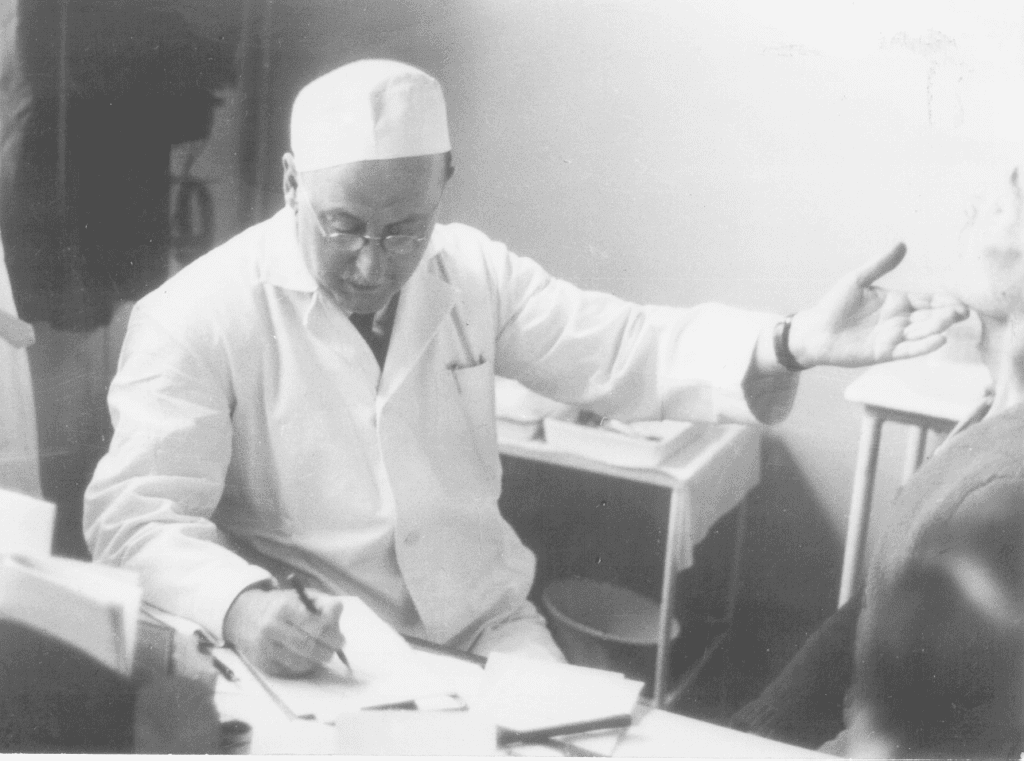
Born on April 26, 1896 in Bettembourg, Grand Duchy of Luxembourg, François BACLESSE studied medicine in Paris, passing his internship examination in 1920. Interested in radiology, he worked in Dr. Joseph BELOT's department at Hôpital Saint-Louis, and attended the Certificat spécial organized by the Faculté de Médecine. Classes on the use of ionizing radiation in the treatment of cancer were given by Professor Claudius REGAUD.
In 1926, he became a doctor at the Fondation Curie.
François BACLESSE's work contributed to the development of modern radiotherapy, notably by demonstrating the potential of radiotherapy in various major cancer sites. His world-renowned publications cover cancers of the larynx, uterus, breast and bone sarcomas.
In breast cancer, Dr. BACLESSE pioneered modern advances in the design of conservative treatments. He proved the local curability of breast cancer with radiotherapy alone, by establishing correlations between tumor volume and the dose to be administered, the latter varying with its spread and fractionation.
Gilbert H. FLETCHER of the M.D. Anderson Institute in Houston (USA), whose teacher he was, said of him:
"François BACLESSE has undoubtedly demonstrated that breast cancer can be eradicated by radiotherapy alone. The importance of this concept cannot be overstated, as it put an end to the myth of the so-called radio-resistance of breast cancer... BACLESSE is an example of a researcher whose clinical intuition and careful observation of patients over many years have led to significant progress in the treatment of cancer." (in Médecine en Hygiène No. 1021 – August 30, 1972)
He died on November 11, 1967.