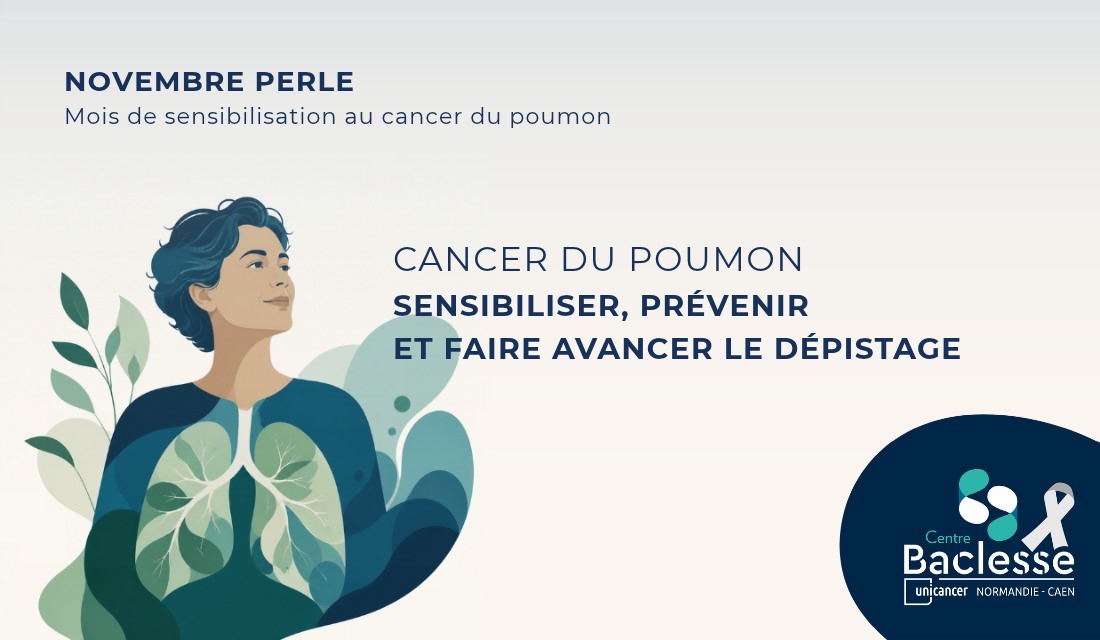
Every year, November features two major awareness campaigns: “Novembre Perle,” dedicated to the fight against lung cancer, and “Mois sans tabac,” which encourages people to quit smoking.
This is an opportunity to highlight the importance of prevention, as well as early detection. Often diagnosed at an advanced stage, lung cancer could benefit from earlier detection among those most at risk.
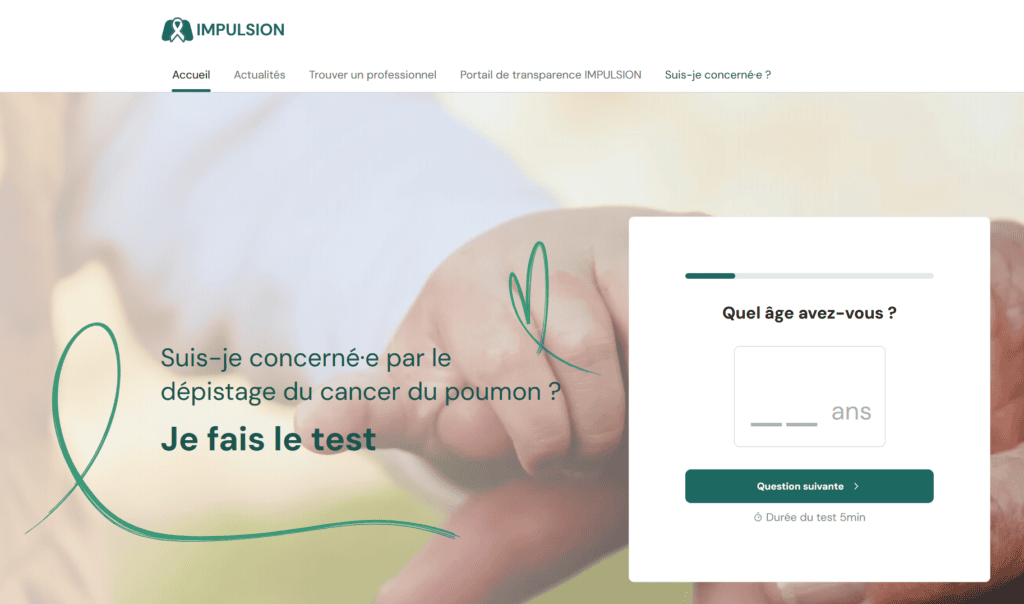
That is the goal of the national IMPULSION program, which is set to be rolled out in Normandy soon. The Baclesse Center will participate in this pilot program, which combines low-dose chest CT screening with smoking cessation support.
Early detection to improve the chances of recovery
Lung cancer is the leading cause of cancer-related deaths in France. It is still too often diagnosed at an advanced stage, when the options for curative treatment are more limited.
However, the international NLST (National Lung Screening Trial) and NELSON studies have shown that screening with low-dose chest CT scans can reduce lung cancer-specific mortality by 20 to 25 percent in the populations studied. With this in mind, the National Cancer Institute (INCa) launched IMPULSION (IMPlémentation du dépistage du cancer PULmonaire en populatION). This national pilot program aims to test the modalities of a future, larger-scale organized screening program, specifically by evaluating the conditions necessary to identify and support those most at risk of developing the disease.
The IMPULSION Program: Targeted Screening and Support for Quitting
The program is open to people aged 50 to 74 who currently smoke or have quit smoking within the last 15 years, subject to specific criteria related to their cumulative tobacco use. One of the eligible profiles is a smoking history of at least 20 pack-years—for example, one pack of cigarettes a day for 20 years or two packs a day for 10 years.
Screening involves a low-dose chest CT scan without contrast dye. This quick and painless test helps identify any lung abnormalities, particularly small nodules that may require monitoring or further testing.
In addition, people who smoke are offered support to quit. Combining screening with smoking cessation support is a key preventive measure: according to data from INCa, this combination reduces the risk of death from lung cancer by 38 percent.
The program calls for regular CT scans: two exams one year apart, followed by a follow-up exam every two years, depending on the results and the program’s guidelines.
The Baclesse Center Steps Up Efforts in Normandy
The Baclesse Center is involved in the regional effort to roll out the IMPULSION program, particularly through its regional steering committee.
When the program launches at the Center, it will have multiple roles: to contribute to the inclusion of participants, to conduct screening exams as a participating CT scan center, and to serve as a referral resource for individuals requiring specialized care.
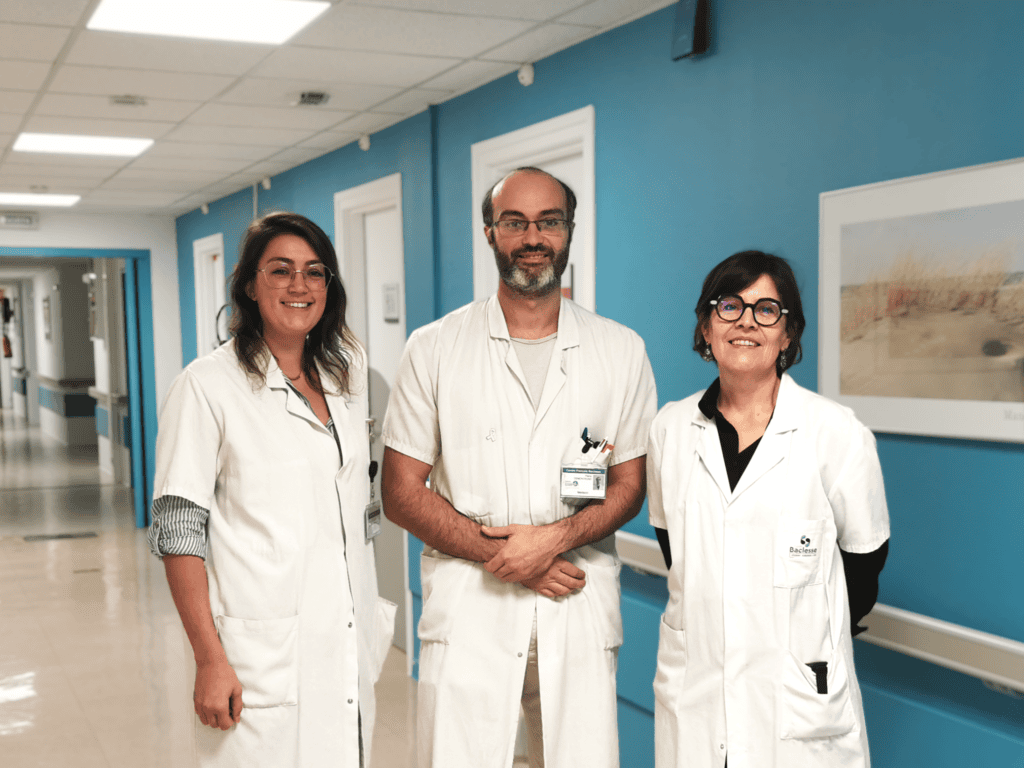
This initiative is part of the TABAC program that has been in place at the Center since 2024. This program already offers multidisciplinary care to individuals at high risk for lung cancer. Over the course of a half-day, they receive a medical consultation, smoking cessation counseling, a consultation on adapted physical activity (APA), and a low-dose chest CT scan.
By participating in the IMPULSION program, the Baclesse Center will help develop a coordinated approach to prevention and early detection in Normandy.
Prevention remains essential
To mark “Novembre Perle” and Tobacco-Free Month, the teams have a two-fold message: to encourage people to quit smoking and to raise awareness among those affected about the importance of screening.
“Don’t hesitate to ask about this screening. The test is noninvasive: it requires neither an injection nor a biopsy. Its potential benefit can be significant when it helps detect cancer at an early stage.”says Dr. Pierre Demontrond, a pulmonologist at the Baclesse Center.
Quitting smoking also remains a key preventive measure, not only against lung cancer but also against many other cancers—including bladder and kidney cancers—as well as respiratory and cardiovascular diseases.