
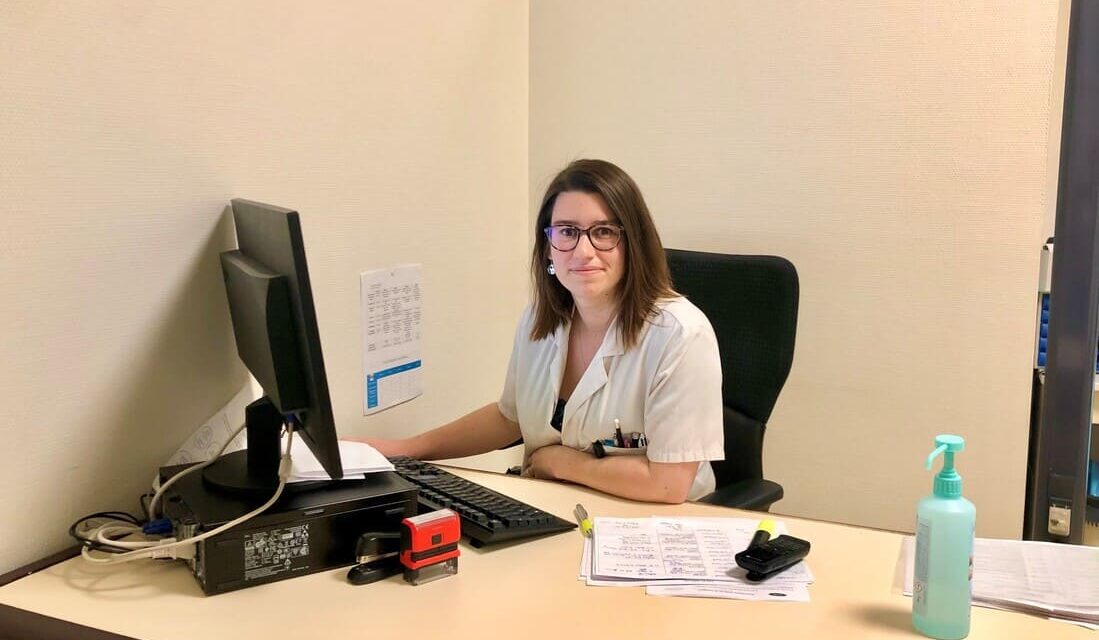
The Advanced Practice Nurse (APN) is a new and little-known profession, but one that is becoming increasingly important in a number of medical specialties, including oncology-hematology.
Valued in 2019 by a state diploma of grade master 2, this job is accessible to any nurse holding this master and having at least 3 years of professional experience as a nurse.
The IPA operates under a strict and precise organizational protocol, which makes it possible to identify his or her field of action and its limits. They provide guidance, education, prevention and screening services to patients. What's new? They also carry out clinical examinations and care, prescribe drugs and medical devices, as well as medical biology and imaging tests. They also renew and adapt medical prescriptions.
Career development, acquiring new expertise, dealing with medical shortages... there are many reasons why nurses choose to become RPNs.
At the Centre Baclesse, Céline ORY, formerly a weekday medical oncology hospitalization nurse, has become an oncology day hospital IPA in 2019.
We asked her to explain her missions and what she appreciates about her job:
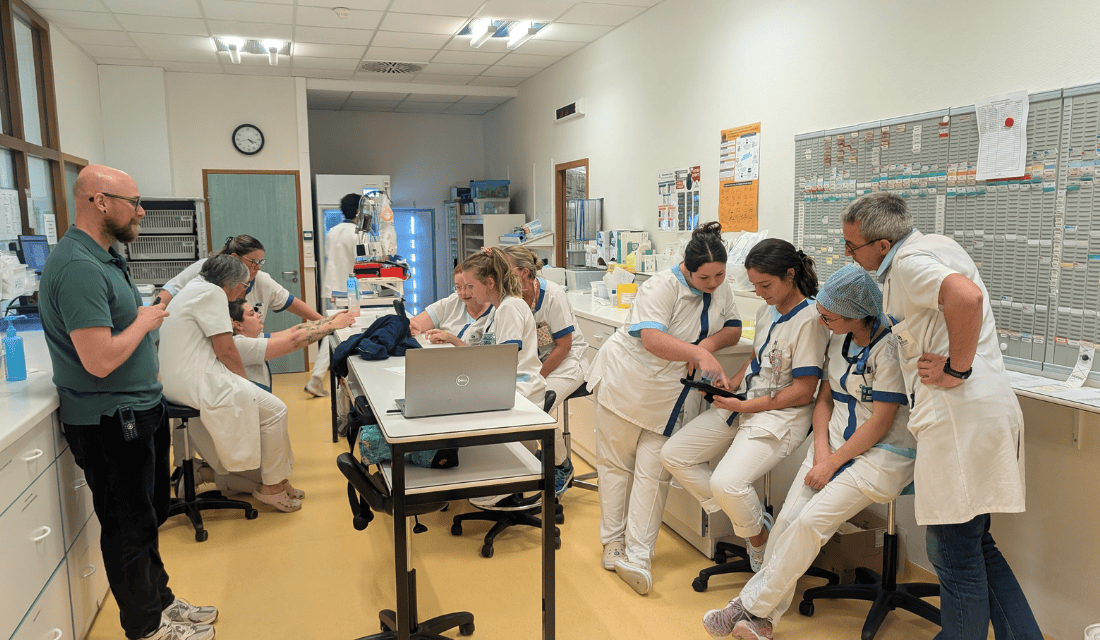
"On a daily basis, I take care of patients with all pathologies (except cerebral). My mission is to ensure patient follow-up in collaboration with the oncologist, on an alternating basis. This follow-up is based on 30-minute consultations to clinically assess tolerance to treatment. Beforehand, I analyze the patient's biological tests and, if possible, prescribe the oncological treatments (certain chemotherapies, immunotherapies, targeted therapies) that I am authorized to prescribe in accordance with my organizational protocol. I manage patient files and check appointments. The consultation is a real opportunity for discussion, a chance for patients to express themselves freely. Sometimes patients don't dare ask the doctor certain questions, but it's easier for them to ask me, knowing that I have more time to devote to them. If I don't have the answers, I refer him to his referring oncologist. I try to give him advice and tips whenever possible. What motivates me on a daily basis? It's the recognition that patients have for me, and also the possibility of carrying out my actions autonomously to meet their needs and expectations ".
On his arrival, some doctors were reticent. Indeed, there was a feeling of uncertainty brought on by the lack of expertise, the new responsibilities and also the fact that there were as yet no examples in France on which to draw. But Céline ORY was lucky enough to be accompanied by a doctor on call, who gave her plenty of guidance and advice. As a result, she was able to find her place between the doctors and the nurses. Audrey FAVEYRIAL, medical oncologist and head of the Oncology Day Hospital, agrees: " Today, Céline ORY is an integral part of the organization and has a real rapport with the medical team ".
According to Dr. Audrey FAVEYRIAL, " the personality of the IPA is very important in order to establish a real collaboration with the doctors and thus help to take care of patients in the shortest possible time, free up medical time and reinforce multi-disciplinarity and communication between the different professionals in the department ".
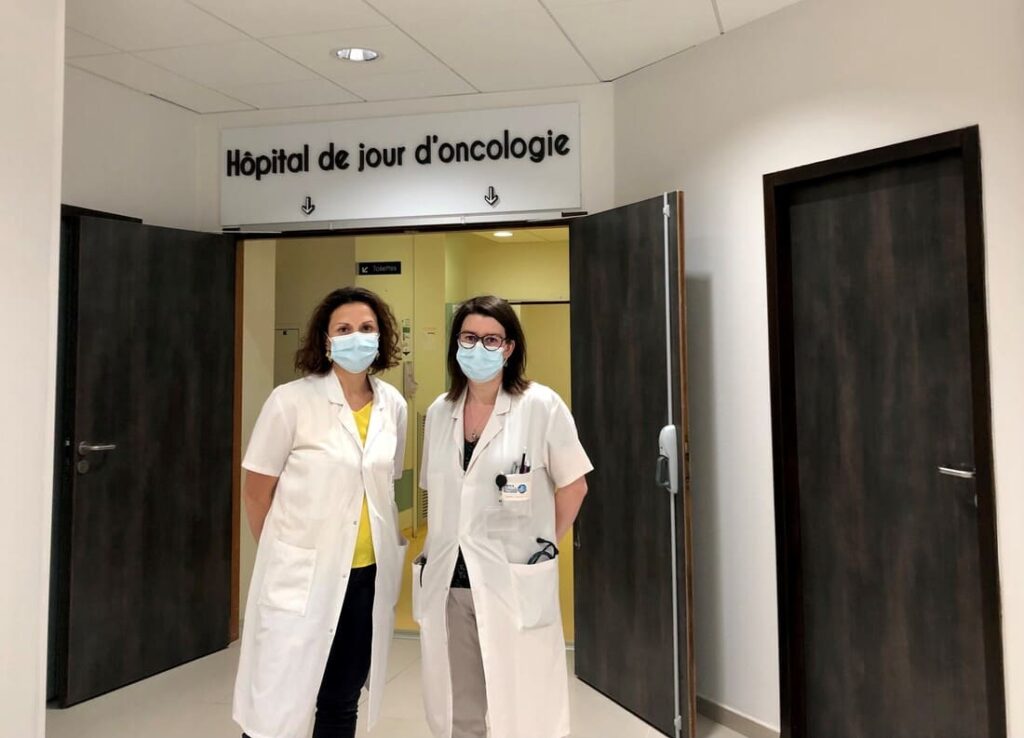
The IPA has therefore become a key element in ensuring the safety of patient care. That's why all the cancer centers in the Unicancer network have at least one IPA on site. This new profession, which represents a real evolution in the nursing profession, is destined to develop at the Centre Baclesse.