
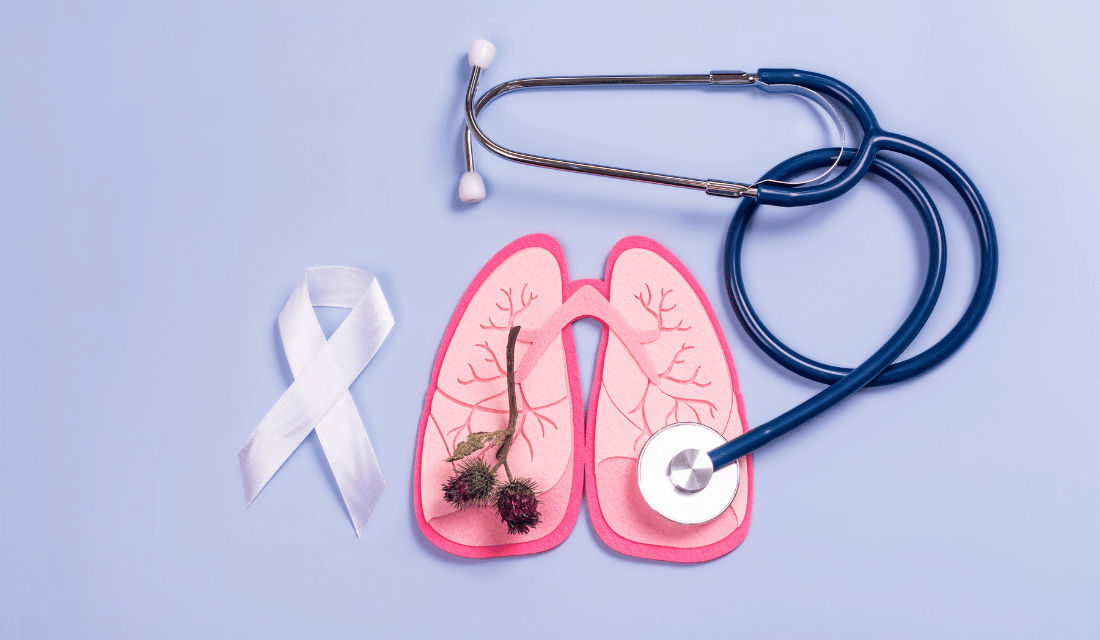
In November, the "Novembre Perle" campaign mobilizes France to inform and raise awareness of lung cancer. Lung cancer is the third most common cancer in France, but also the leading cause of cancer-related death. Numerous prevention, screening and patient support initiatives are underway, bringing together associations, healthcare structures, health professionals and the people concerned. In parallel with the national "Month Without Tobacco" initiative, this mobilization aims to encourage people to stop smoking and promote earlier detection, in order to improve treatment and the chances of recovery.
Why raise awareness of lung cancer?
Throughout the month of November, the Novembre Perle operation aims to lift the veil on lung cancer risk factors, stress the crucial importance of early detection and highlight the major therapeutic advances that are giving patients renewed hope. This collective initiative will help to get the word out, spread knowledge and make support more accessible to all.
The crucial role of early detection with low-dose CT scanners
Particular attention is being paid to the deployment of low-dose CT screening, supported by the French National Cancer Institute (INCa ) and in line with European recommendations. The stated aim is to reverse the trend, so that 75% of cancers are diagnosed at an early stage, which significantly improves the chances of survival. This strategy is part of a global approach to the fight against lung cancer mortality, the leading cause of cancer deaths in France.
Key statistics on lung cancer in France
- Around 53,000 new cases of lung cancer every year.
- Nearly 30,000 deaths a year, marked by a high mortality rate.
- France is one of the 5 countries most affected by cancer (389.4 cases per 100,000 inhabitants).
- Despite campaigns, screening remains inadequate, even though early treatment is crucial.
Prevention and Smoking Paths at the Baclesse Center
Quitting smoking remains a key factor in reducing the risk of lung cancer. Aware of this challenge, the Centre Baclesse has fully invested in supporting patients by launching, a year ago, a Parcours Tabac (Smoking Path). This program offers personalized medical follow-up, with a multidisciplinary team including an Adapted Physical Activity teacher and a tobacco nurse, to provide comprehensive support tailored to each patient.