
Every year, thousands of women are diagnosed with ovarian cancer, and doctors have to decide quickly on the best possible treatment. At the Centre Baclesse, researchers in the "Precision Medicine for Ovarian Cancers" laboratory of Inserm Unit 1086 Anticipe have set themselves the task of providing new tools to help with this decision. Their preferred approach? Tiny molecules called microRNAs (miRNAs) circulating in the bloodstream.
MicroRNAs: messengers at the heart of medical diagnostics
miRNAs are very short fragments of RNA discovered in the 1990s by Victor Ambros and Gary Ruvkun, two researchers awarded the Nobel Prize in Medicine and Physiology in 2024. Unlike "classic" RNAs, they don't give rise to proteins; their role is rather to regulate the activity of our genes, rather like little switches. Scientists soon noticed that certain tumors were releasing a signal of abnormal quantities of miRNAs into the bloodstream. A simple blood test is all it takes to capture these invisible messengers and gather valuable information about the disease, without the need for a biopsy.
The Caen team first developed a rigorous protocol for assaying these miRNAs using real-time PCR, a rapid and highly sensitive laboratory technique. In the miRSA clinical trial, they were able to identify the first miRNA capable of predicting whether or not a patient will respond to platinum-based chemotherapy, the standard treatment for ovarian cancer. Protected by a patent and validated on French and then Canadian samples, this result marks an important step towards a routine blood test.
The researchers are not stopping there. They are now extending their research to other miRNAs and to innovative treatments such as PARP inhibitors (PARPi), used for maintenance after chemotherapy. The aim is twofold: to select the most effective therapy from the outset, based on a "miRNA profile", and then to monitor the tumour's evolution over the months in order to adjust the treatment if necessary. These molecular signatures will complement other tools already available at the Centre François Baclesse, such as the GIScar genomic instability scar test.
A breakthrough made possible by the generosity of donors
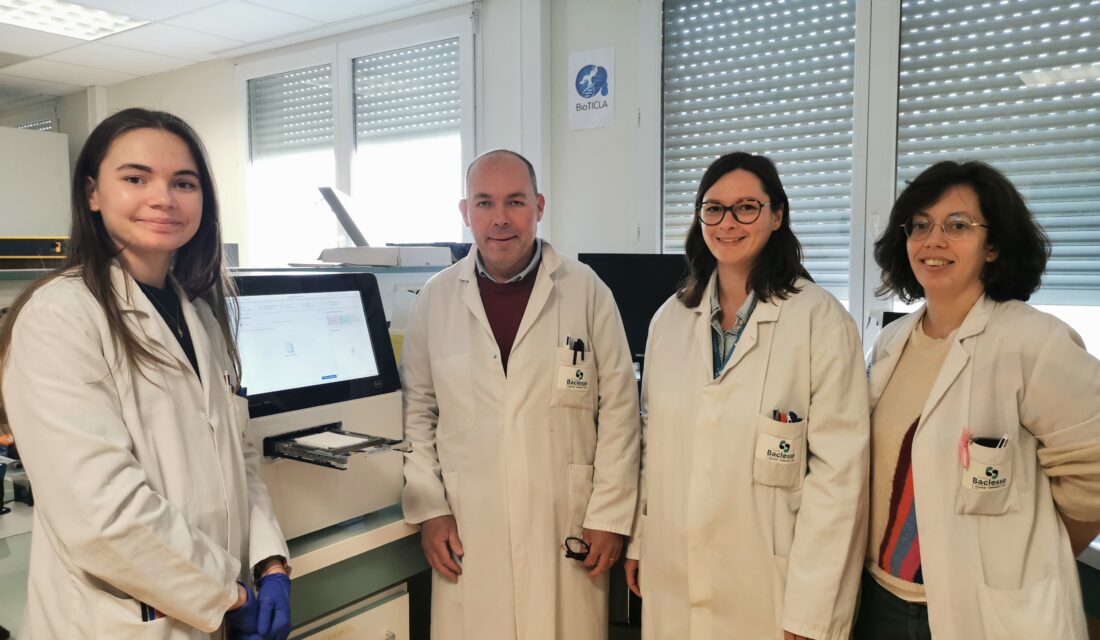
To keep up with the pace of these analyses, the laboratory has just acquired a new, state-of-the-art real-time PCR machine (see photo below). This investment will accelerate research, boost the Centre Baclesse's attractiveness on a national and international scale and, above all, bring the promise of tailor-made treatments for every patient a step closer. In the era of personalized medicine, miRNAs are emerging as both discreet and powerful allies, capable of transforming a simple drop of blood into a therapeutic guide.
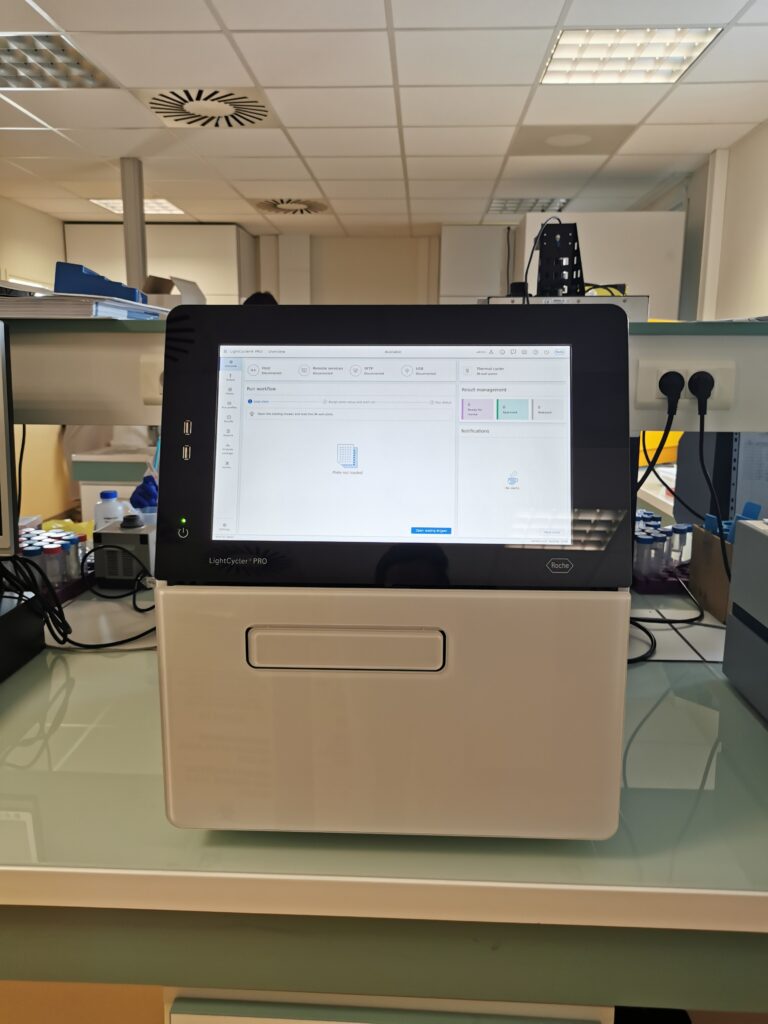
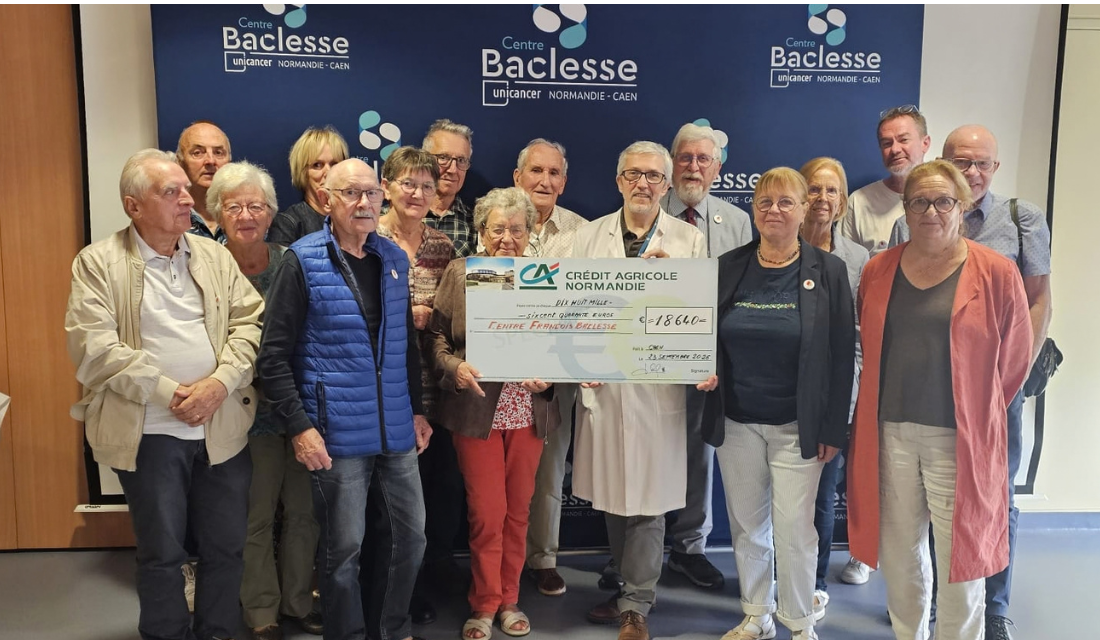
This new equipment was entirely financed by donations. THANK YOU!