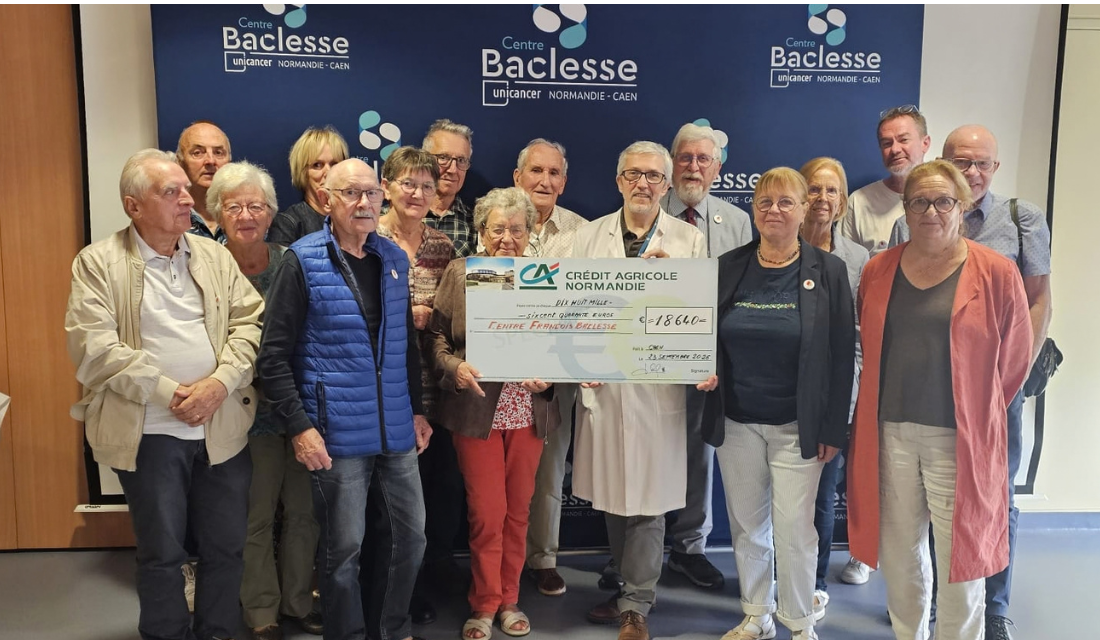


Your generosity is a precious source of hope. Your loyalty enables our teams to advance research, refine treatments and support each patient with humanity and kindness. Thanks to you, hope becomes reality.
Thank you for your commitment to our fight against cancer.
Donations 2024
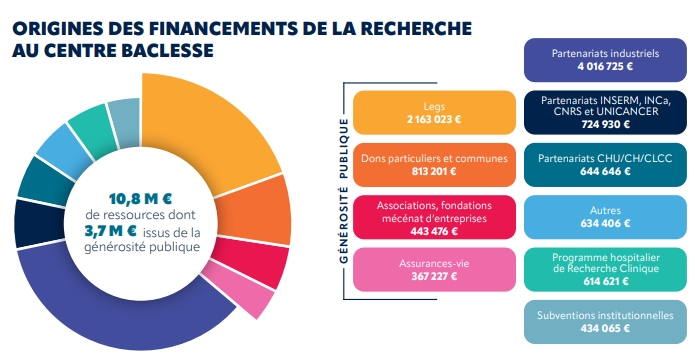
By supporting our research, care and comfort programs, you contribute to :
- Promoting early detection accessible to all
- Promoting the development of innovative, personalized treatments
- Lasting improvements to patients' comfort and quality of life, during and after cancer treatment
6 projects financed thanks to donations
1. Accelerate biomarker discovery in oncology with real-time PCR
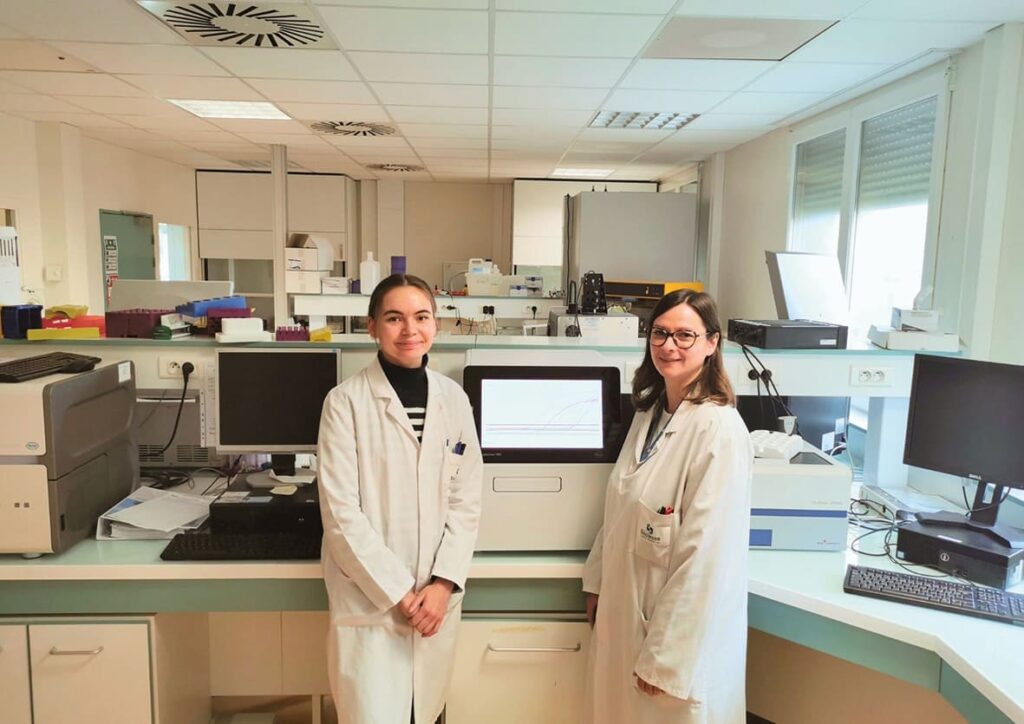
This new-generation equipment offers a number of major advances. It enables the precise identification and quantification of molecules, notably miRNAs, from tumors or blood, for a better understanding of cancer development and progression.
Thanks to the analysis of circulating miRNAs, it also facilitates the development of personalized treatments, making it possible to predict and monitor the efficacy of therapies, particularly in the case of ovarian cancer.
Fully automated, this machine speeds up sample processing while guaranteeing high precision, which optimizes our discovery capacity.
Lastly, it strengthens our position as a leader in the study of biomarkers and encourages international collaborations.
2. Anatomopathology slide scanning scanners
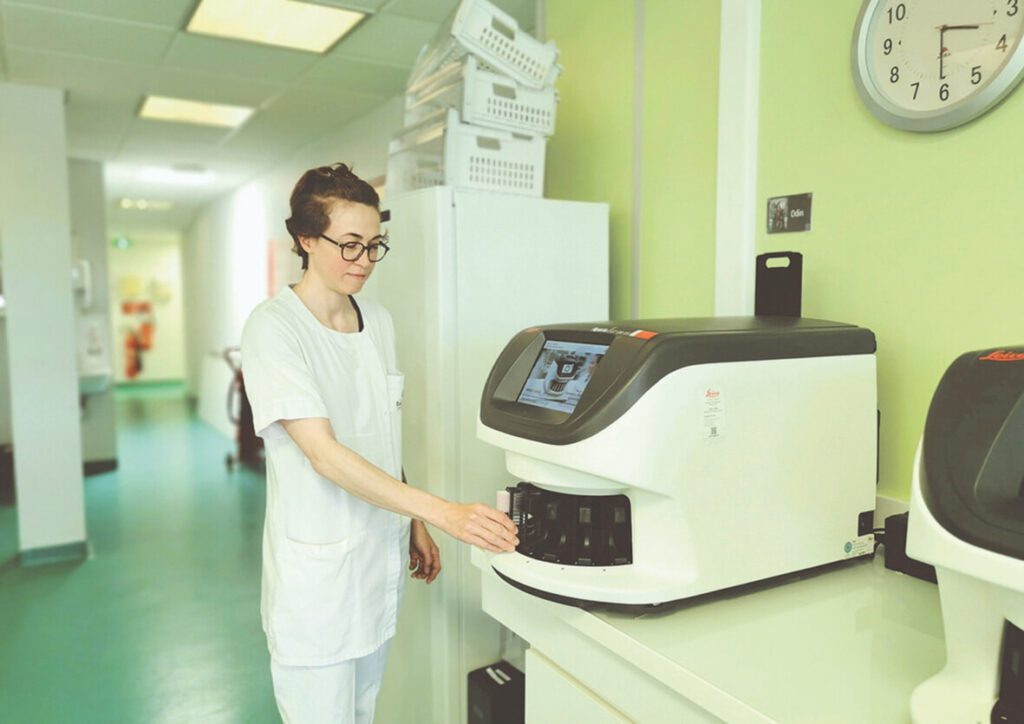
The digitization of slides enables samples to be analyzed via computer images, replacing the optical microscope. It enables more ergonomic management of samples and their images. It enables the integration of artificial intelligence tools to assist pathologists in slide analysis.
The system also enhances case sharing with remote experts, reinforcing exchanges between different pathologists to support diagnostic reliability. It facilitates the archiving, traceability and follow-up of patient samples.
3. An articulated screen to improve the comfort of children undergoing radiotherapy
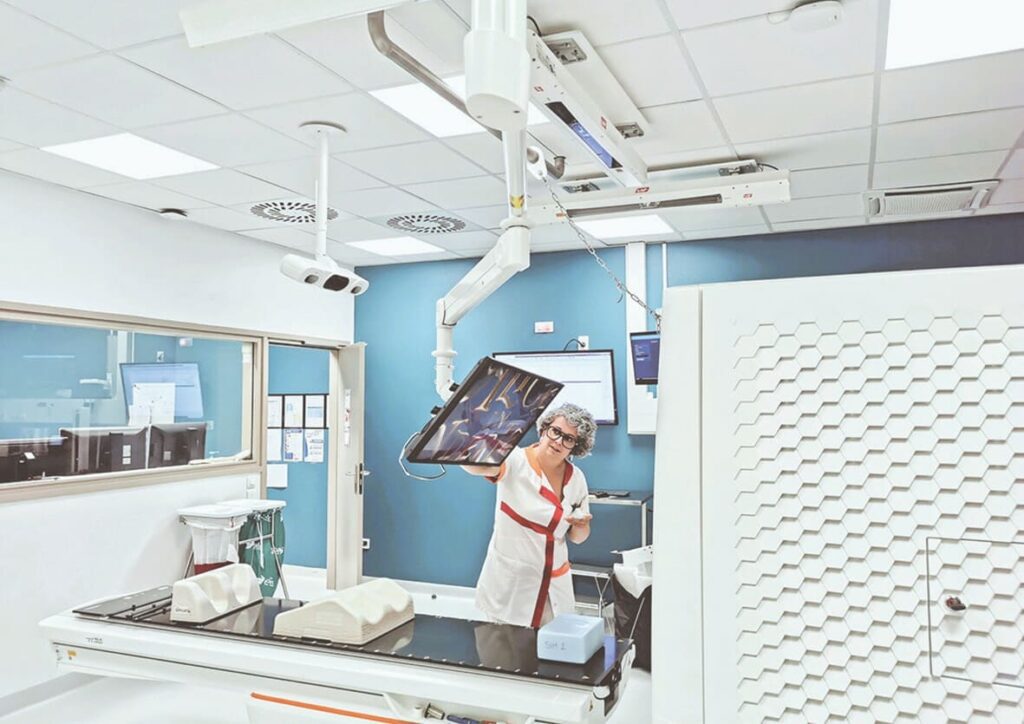
Thanks to donations, a screen with an articulated arm has been acquired to offer children a moment of relaxation during their radiotherapy scans.
By projecting films and cartoons, this equipment helps reduce anxiety, allowing patients to distract themselves and concentrate on what they enjoy during treatment.
This screen creates a reassuring and soothing climate, helping to make the experience less stressful.
Together, we improve patient well-being and quality of care.
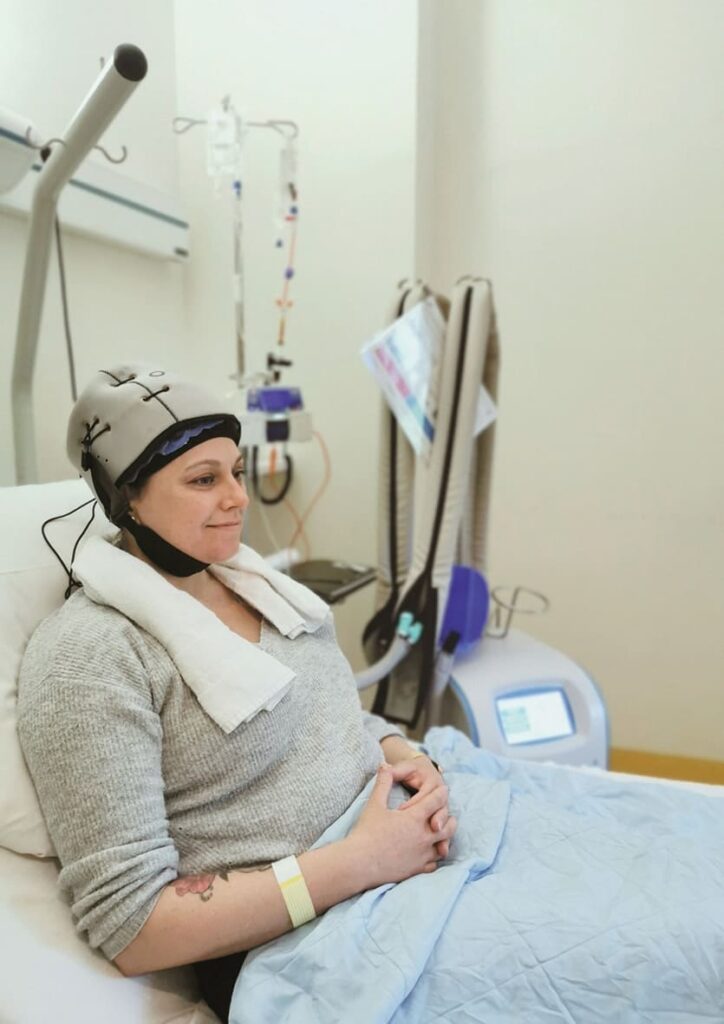
4. Limiting hair loss in chemotherapy patients with refrigerated helmets
Refrigerated helmets are continuous scalp cooling systems designed to limit chemotherapy-related hair loss. This innovative, non-invasive solution works by keeping the scalp at a low temperature during treatment sessions.
This reduces the amount of chemotherapy reaching the hair roots, decreases hair loss and helps preserve patients' self-esteem.
Validated by clinical studies, this technique is increasingly offered in specialized centers and is generally well tolerated.
5. Artificial Intelligence: innovation for the benefit of patients
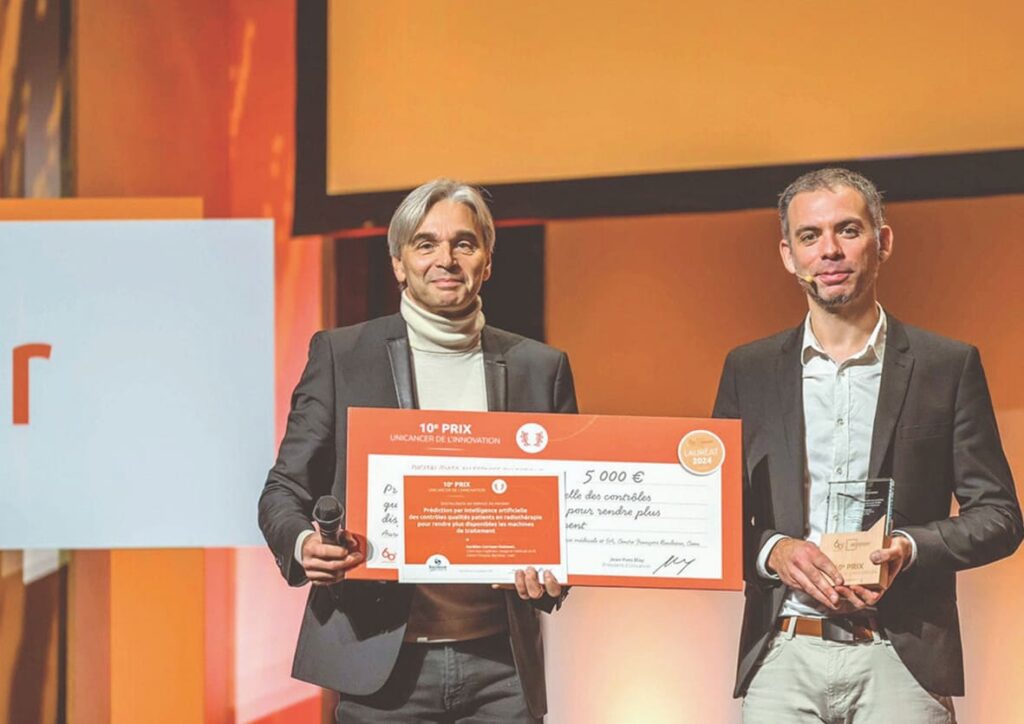
The Center has created an artificial intelligence (AI) cluster to coordinate research in areas such as medical imaging, radiotherapy and care pathways.
Here, AI is used to refine diagnoses, personalize treatments and optimize care management using advanced algorithms.
One of the concrete objectives: to reduce radiotherapy waiting times thanks to AI, by predicting the results of quality controls, without having to resort to tests on the machines, and thus freeing up treatment slots.
6. TRIPLEX: two years of research to better treat triple-negative breast cancer
Since January 2023, the Centre Baclesse has been running the TRIPLEX trial to better understand and treat triple-negative breast cancer, testing different treatments on tumor organoids to predict and identify the most effective for each patient.
Two years after the launch, several major advances have been made:
- Tumor organoids can be cultured, but their limited lifespan means that treatments must be tested rapidly after biopsy,
- A promising blood biomarker has been identified that can predict response to treatment in addition to organoids,
- The concept of a "chemogram" is becoming a reality, allowing chemotherapy to be tailored to each patient.
Initially focused on the creation of a biobank, TRIPLEX is now evolving to become a genuine therapeutic decision-making tool. It could mark a major a major step towards precision medicine for this aggressive cancer.