
Year after year, your loyalty enables our teams to accelerate cancer research and provide increasingly personalized, compassionate care. Your commitment is an essential pillar of support for our research and care teams, and a source of immense comfort for those we care for.
Thank you for standing by us with such conviction and confidence!
2025 Donation Summary
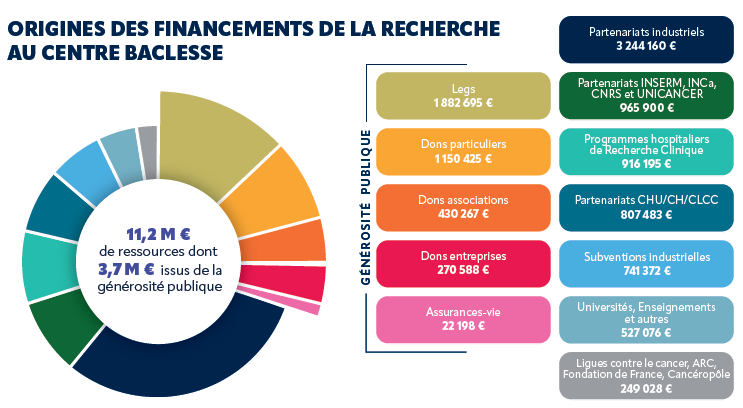
Your generosity translates into concrete actions; you are helping to:
- Strengthen prevention efforts
- Promoting early detection accessible to all
- Accelerate the development of innovative and personalized treatments
- Lasting improvements to patients' comfort and quality of life, during and after cancer treatment
6 projects financed thanks to donations
1. Comfort at the heart of our services
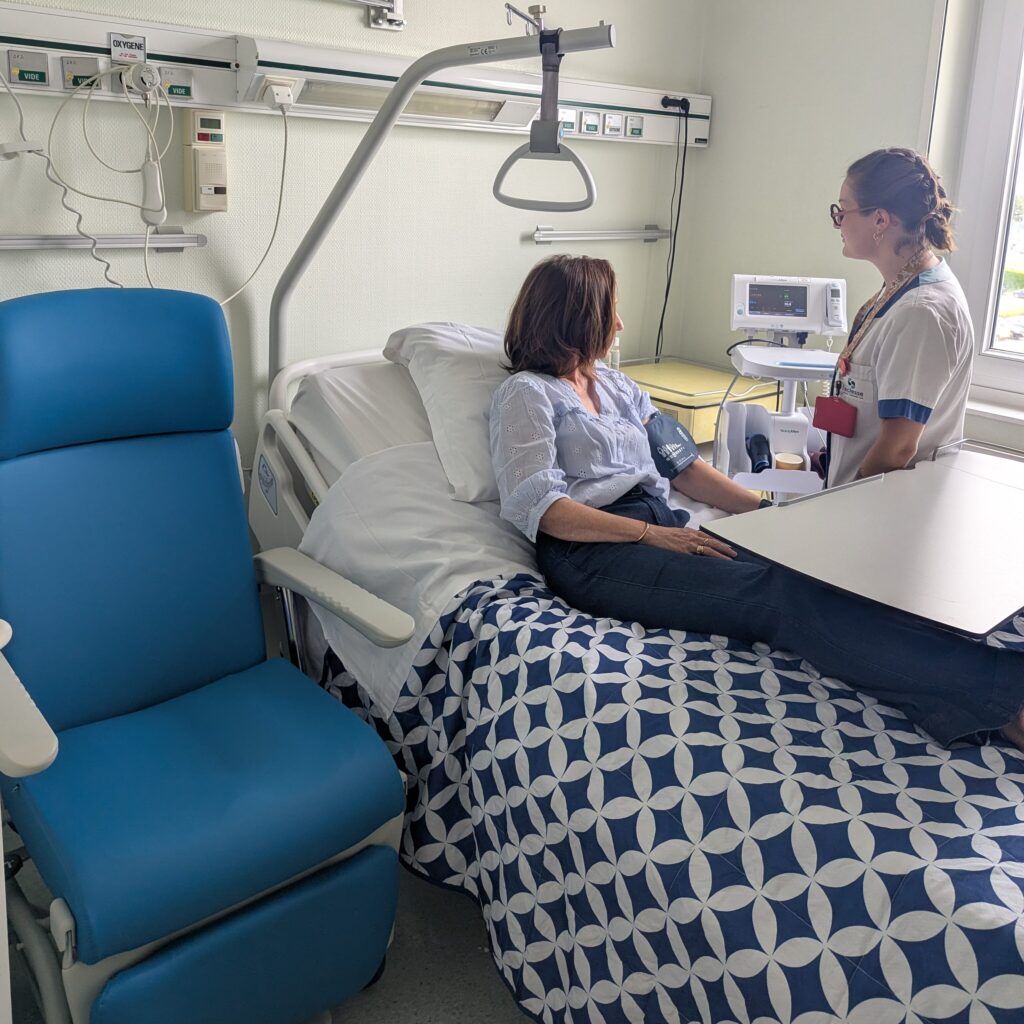
In the surgery and nuclear medicine departments, new
amenities are radically transforming our patients’ experience.
The surgery ward rooms now feature ergonomic furniture
: armchairs, chairs, tables, and bedside tables that combine design and
practicality to make daily life easier and more pleasant for hospitalized patients.
In nuclear medicine, the waiting room is now equipped with new
armchairs offering enhanced comfort, allowing patients to wait in optimal conditions
before their exams.
Thanks to the generosity of donors, these renovated spaces help provide
a warmer and more soothing environment within the Baclesse Center.
Thank you for contributing to this daily well-being.
2. Lighting to make the healthcare journey more comfortable
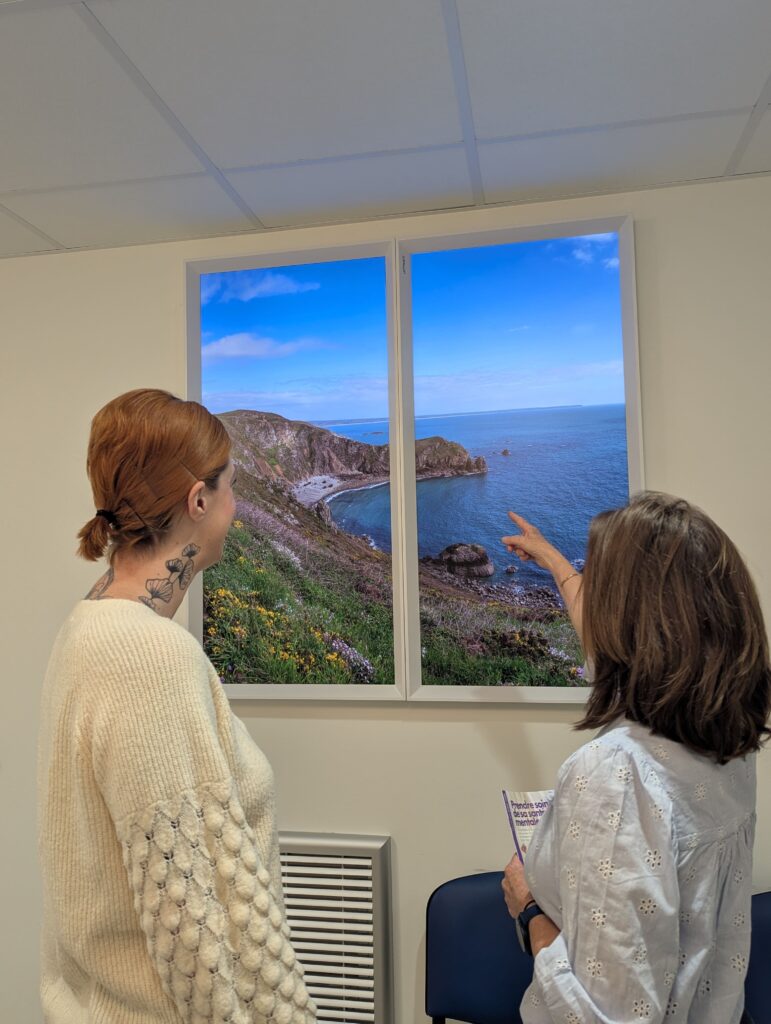
The Baclesse Center has installed innovative lighting systems in the operating room
and in the radiation therapy unit to improve patient comfort.
This equipment displays images of the sky and natural landscapesto
recreate a sense of daylight and openness. It helps
to soothe patients, particularly after surgery,
by reducing stress and disorientation. In radiation therapy, these lights
compensate for the lack of natural light.
These features help create a more
welcoming, serene, and comforting hospital environment throughout the patient’s care journey.
Your generosity makes these programs possible. Thank you from the bottom of our hearts!
3. Breast Cancer: Improving the Postoperative Care Pathway

Every year in France, more than 60,000 women are diagnosed with breast cancer
, and nearly one in four must undergo a mastectomy with immediate breast reconstruction (RMI)
. After this procedure, wearinga properly fitted post-operative bra day and night
is essential to relieve pain
, promote comfort, and ensure proper healing. At the Baclesse Center, a compression bra is now provided
free of charge to every patient upon admission for an IRM.
Fully funded by the generosity of donors, this solidarity project
helps tailor the breast reconstruction process to
patients’ needs, thereby improving their quality of life.
4. Cognitive Rehabilitation Workshops: Regaining Memory and Concentration After Cancer
After breast cancer, many patients experience “
cognitive fog,” leading to memory and concentration problems.
These difficulties, often linked to treatments such as chemotherapy or
hormone therapy, impact quality of life and the return to work.
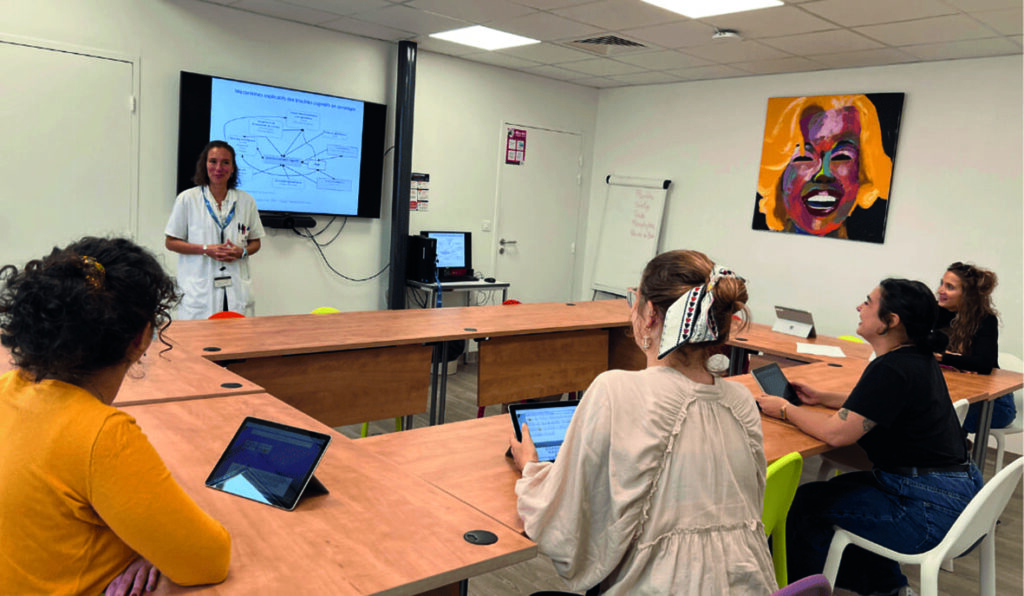
To support patients facing these challenges, cognitive remediation workshops are offered. The program includes a neuropsychological assessment
, training exercises, practical advice
, and small-group discussion sessions.
These workshops are made possible by the generosity of our donors.
5. Any updates on the TRIPLEX trial?
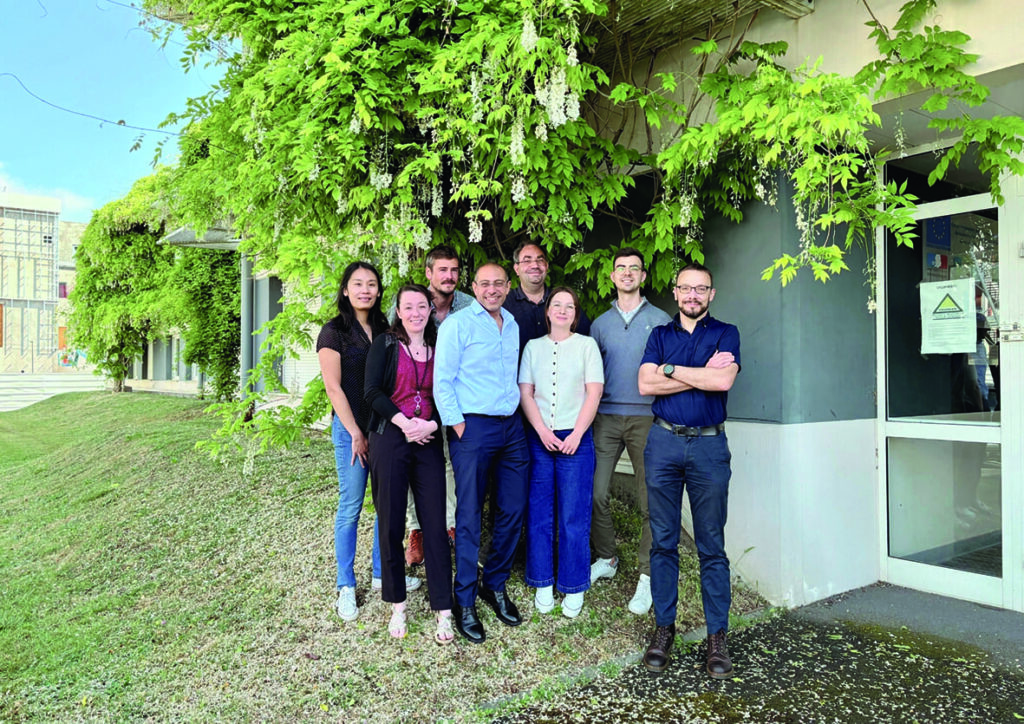
Three years after the study began, the TRIPLEX trial continues to develop
a strategy for analyzing the response of tumor organoids
to treatments in less than a month—approximately five months before the clinical response
in patients. In 2025, 27 patients were enrolled in the trial, enabling the creation
of 11 organoids and the generation of 8 “chemograms.” An additional 60 enrollments
are planned by 2027. The goal is now to verify
whether the responses observed in the laboratory coincide with those observed during
surgery. TRIPLEX could thus make it possible to predict patients’
response to treatments even before surgery.
6. Prostate Cancer: Coping Better with Hormone Therapy
Prostate cancer, the most common cancer in men, is often
treated with hormone therapy, an effective treatment that blocks the action
of testosterone. However, it can cause physical and psychological side effects. The IMPAPRO study, conducted at the Baclesse Center, evaluatesthe benefits of personalized support to help patients better cope with this treatment. This care, provided by a multidisciplinary team, combines
medical, nutritional, physical, and psychological support, with
for some patients, enhanced nursing care for one year. The study plans to include 120 to 140 patients and could demonstrate
the importance of tailored, individualized care in the management of
prostate cancer.