
After breast cancer, up to 75% of patients experience difficulty remembering things or concentrating—a condition also known as “cognitive fog.”
These difficulties can affect quality of life, lower self-confidence, and disrupt the return to work. The goal? To offer cognitive remediation workshops to help address these challenges.
"Cognitive fog"
Numerous studies have demonstrated the impact of cancer treatments on cognition, particularly that of chemotherapy. Patients undergoing treatment—even for cancers outside the central nervous system—primarily report difficulties with memory, thinking, or concentration.
These cognitive impairments are referred to in the literature as chemobrain or chemofog , referring to the concept of “cognitive fog.” This phenomenon has been studied primarily following chemotherapy for breast cancer but is also reported after other treatments such as hormone therapy.
These cognitive difficulties have a negative impact on patients’ quality of life and self-confidence and can have significant medical and economic repercussions. In fact, according to the results of a surveyconducted in collaboration with the association Les Seintinelles, 76% of working participants felt that this “cognitive fog” had a negative impact on their return to work. Furthermore, the majority of participants would have liked to receive appropriate care, yet few specific interventions exist.
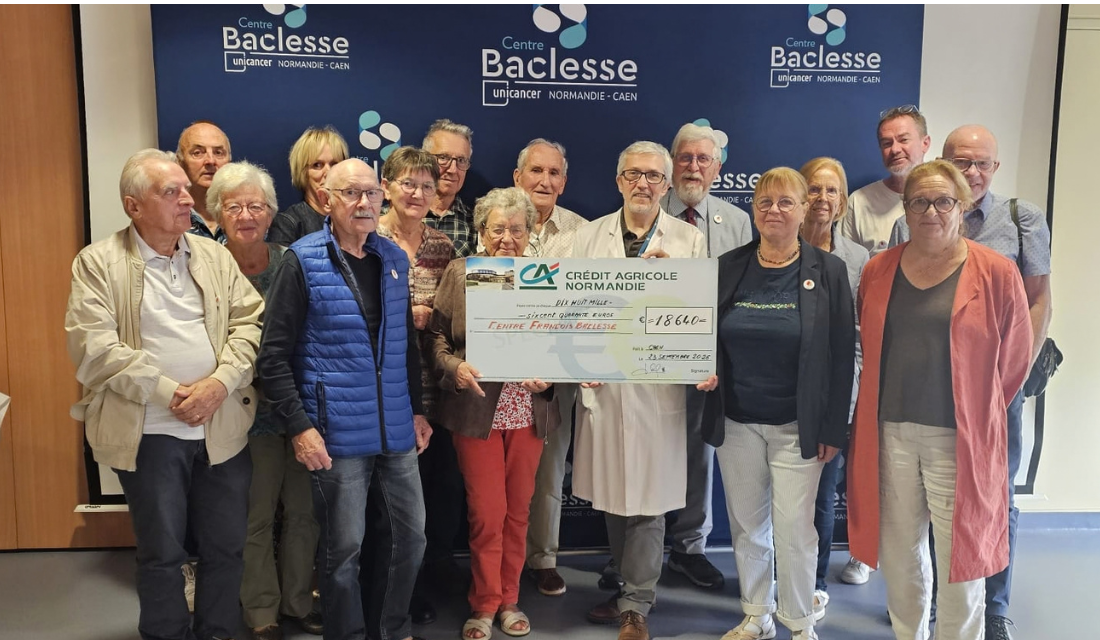
Workshops made possible by the generosity of donors
To address these cognitive difficulties, cognitive remediation workshops are offered as part of the care services for individuals experiencing “brain fog” following cancer and its treatments. This care program is primarily intended for those wishing to return to work, with the aim of facilitating their transition back to the workforce.
In practice, participants are offered a neuropsychological assessment (including memory and concentration tests) before the workshops to identify any difficulties and related factors. A second neuropsychological assessment is offered at the end of the workshops to evaluate how these difficulties have evolved.
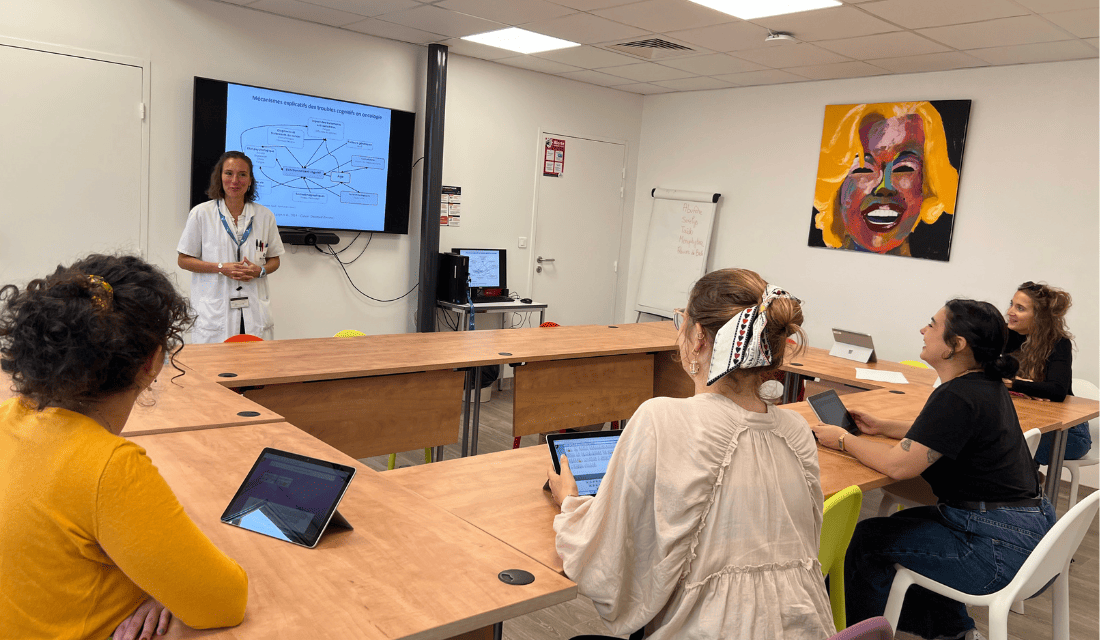
The cognitive workshops are held in small groups (maximum of 5 people) for 2 hours a week over a 4-week period. Each session includes training exercises, information on cognition, strategies for daily life, and time for discussion.
Participants are very satisfied with these workshops, which continue thanks to various sources of funding, including the generosity of donors.