
Prostate cancer is the most common cancer in men, with over 59,000 new cases diagnosed each year in France. Approximately 1 in 7 men will be affected by this disease during his lifetime. Although many advances have been made in diagnosis and treatment, prostate cancer remains a complex medical challenge, requiring innovative therapeutic approaches tailored to each individual patient. Against this backdrop, the Centre Baclesse has developed a new care pathway to optimize treatment delivery and improve patients' quality of life.
What treatments are available?
Prostate cancer is sensitive to androgens (male sex hormones such as testosterone), which promote the growth of cancer cells in the prostate. Treatment options depend on the stage of the cancer, its aggressiveness and the patient's general condition.
The various treatment options are as follows:
- Active monitoring
- Surgery
- Radiotherapy
- Chemotherapy
- Targeted therapies
- Hormone therapy
The different generations of hormone therapy
Hormone therapy aims to block the effect of certain hormones, either by reducing their production, or by preventing their action on the androgen receptors of cancer cells. This slows tumor growth and helps manage the progression of the disease.
First-generation hormone therapy
In the past, treatment was mainly limited to surgical removal of the testicles (orchiectomy) or the use of drugs that block testosterone production, such as GnRH (gonadotropin-releasing hormone) agonists or antagonists. These drugs are administered in the form of subcutaneous or intramuscular injections. These injections are generally given every 1 to 6 months, depending on the drug and treatment protocol.
Although effective in a number of cases, this approach has its drawbacks, such as side effects (hot flushes, loss of libido, bone disorders, increased cardiovascular risk). What's more, in some cases, tumor cells develop resistance to this treatment, enabling the cancer to continue growing despite very low testosterone levels.
Second-generation hormone therapy
Second-generation hormone therapy aims toovercome resistance developed by tumor cells. These new approaches include several innovative drugs that have transformed the prostate cancer treatment landscape. These more potent drugs block not only testosterone production, but also the action of this hormone on cancer cells. They are also more targeted, making them more effective while reducing certain side effects.
These treatments fall into two main categories: androgen receptor inhibitors and androgen synthesis inhibitors:
- Androgen receptor blockers (ARNAs): These drugs, such as enzalutamide (Xtandi), apalutamide (Erleada) and darolutamide (Nubeqa), work by directly blocking androgen receptors on cancer cells. These treatments are administered in tablet form by mouth, usually once a day.
- Androgen synthesis inhibitors (CYP17A1): Drugs such as abiraterone (Zytiga) block the CYP17A1 enzyme, which is involved in androgen production, not only in the testes, but also in other tissues such as the adrenal glands and the tumor itself. This treatment is administered in the form of oral tablets twice a day, often in combination with a corticosteroid such as prednisone to reduce side effects.
Second-generation hormone therapy therefore represents an important step towards more effective treatment of prostate cancer.
However, these treatments can also have side effects, notably cardiovascular, neurological and hepatic. Given the complexity of the patients treated (age, co-morbidities, etc.) and the effects associated with treatments often combined with first- and second-generation hormone therapies (side-effects, changes in quality of life, etc.), it is important to implement comprehensive management from the very first prescription of second-generation hormone therapy.
A new path of support
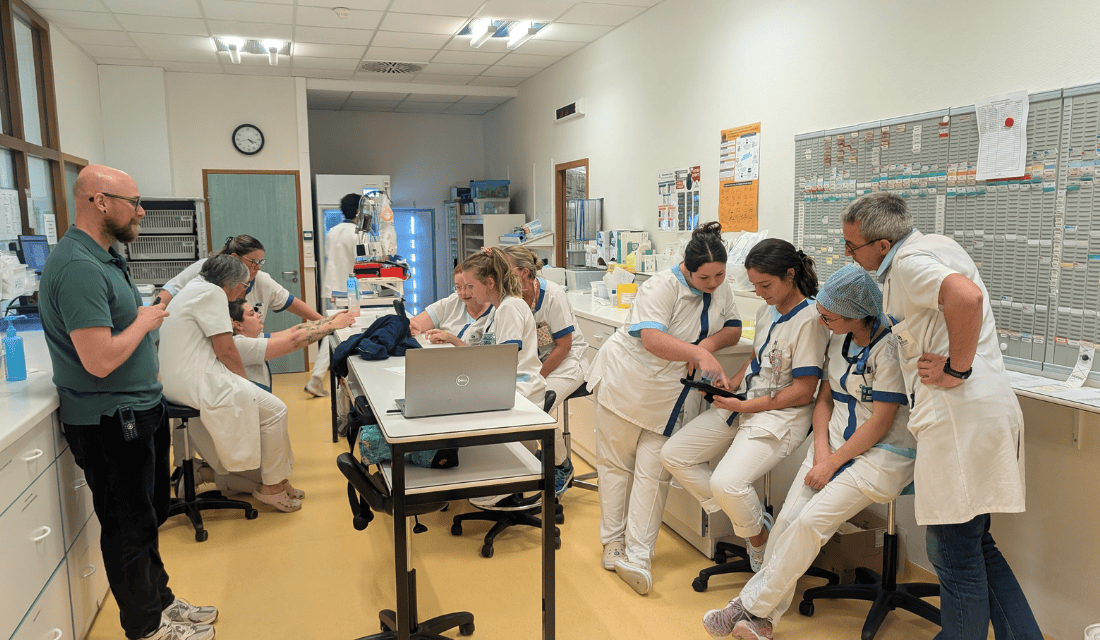
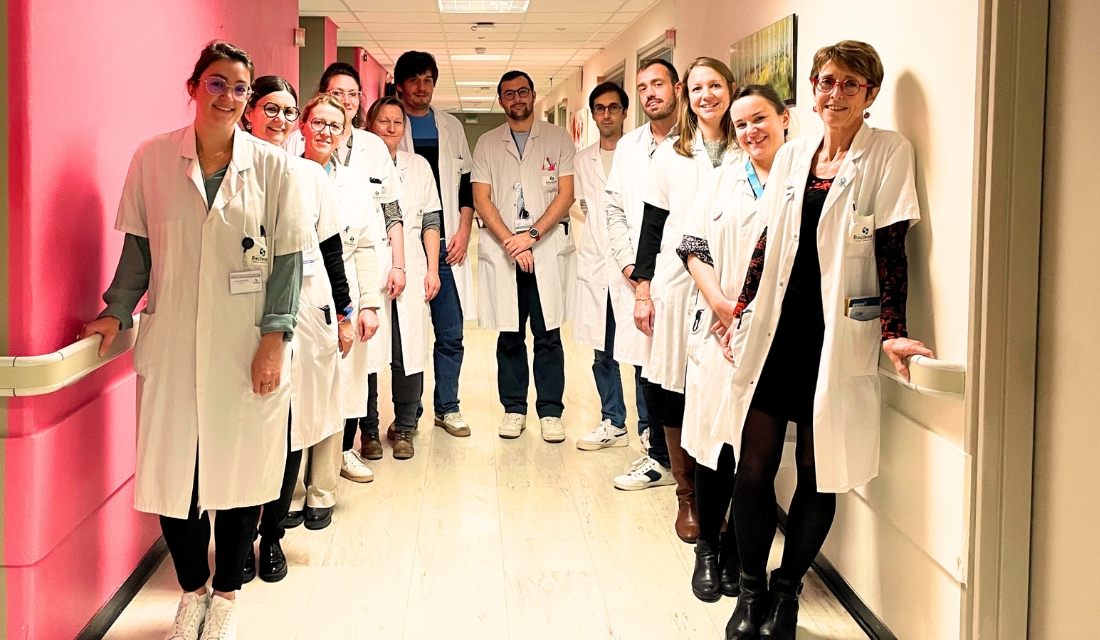
In order to bring together as many people as possible in a short space of time, and to reduce the fatigue caused by going back and forth from one place to another, the Centre Baclesse has decided to set up a Day Hospital dedicated to hormone therapy for prostate cancer.
Patients treated at the Centre Baclesse will therefore be offered a Day Hospital course on the 6th floor, at the initiation of these oral hormone treatments.
As part of this course, patients will meet a number of different people on the same day:
- Medical oncologist
- Pathway nurse
- Dietician
- Adapted physical activity professional
- Oncosexology nurse
The patient will be offered several times dedicated to achieving the following objectives:
- A better understanding of treatment
- Improving follow-up and compliance with hormone therapy
- Taking into account the side effects of hormone therapy
- Improving quality of life
- Consideration of long-term physical and psychosocial effects (fatigue, pain, cognitive disorders, sex life, etc.).
- Modification of lifestyle habits
- Referral to city professionals (if necessary)
This pathway is open to all patients undergoing radiotherapy or medical oncology and benefiting from a prescription for second-generation hormone therapy.