
On Tuesday, December 3, 2024, the Centre François Baclesse mobilized on the occasion of the International Day of Persons with Disabilities, to reaffirm a key priority: guaranteeing equal access to cancer care and screening.
Combating inequalities in access to healthcare
In the afternoon, a "white visit" allowed 20 women with disabilities to discover the Baclesse Center. This initiative aims to remove barriers that hinder access to organized screening, particularly for breast cancer, where participation rates among women with disabilities in Normandy are capped at only 31%, compared to 54% for the rest of the population. These visits, organized with adapted materials (Easy to Read and Understand), are part of an essential approach: enabling everyone to take charge of their own health.
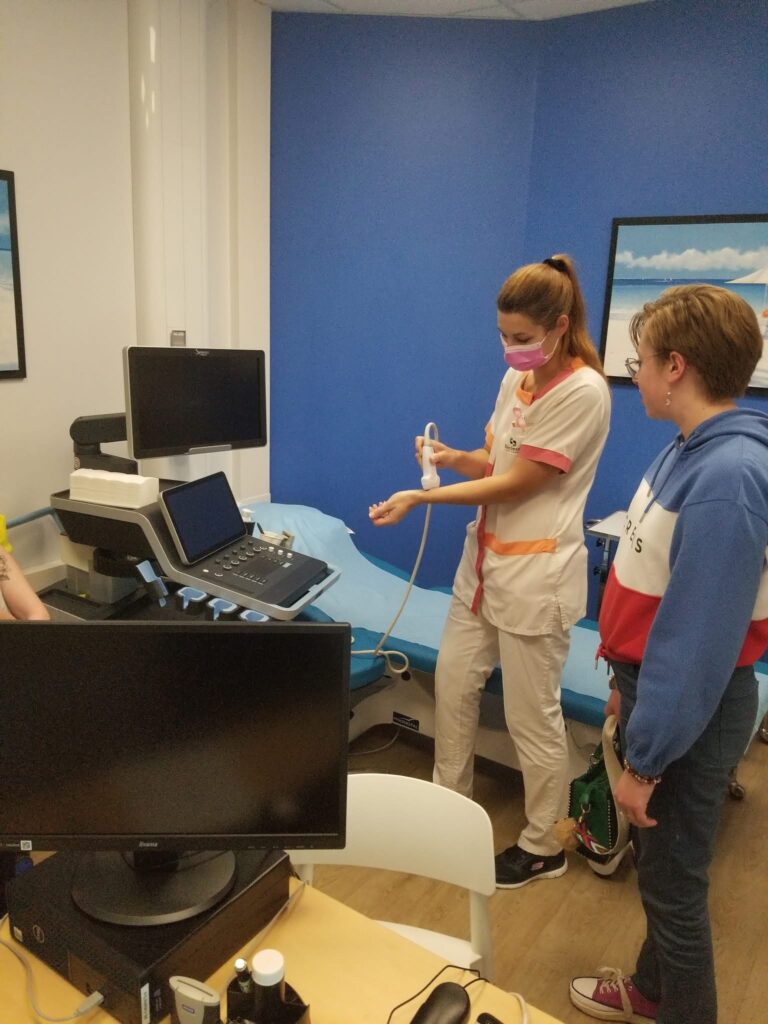
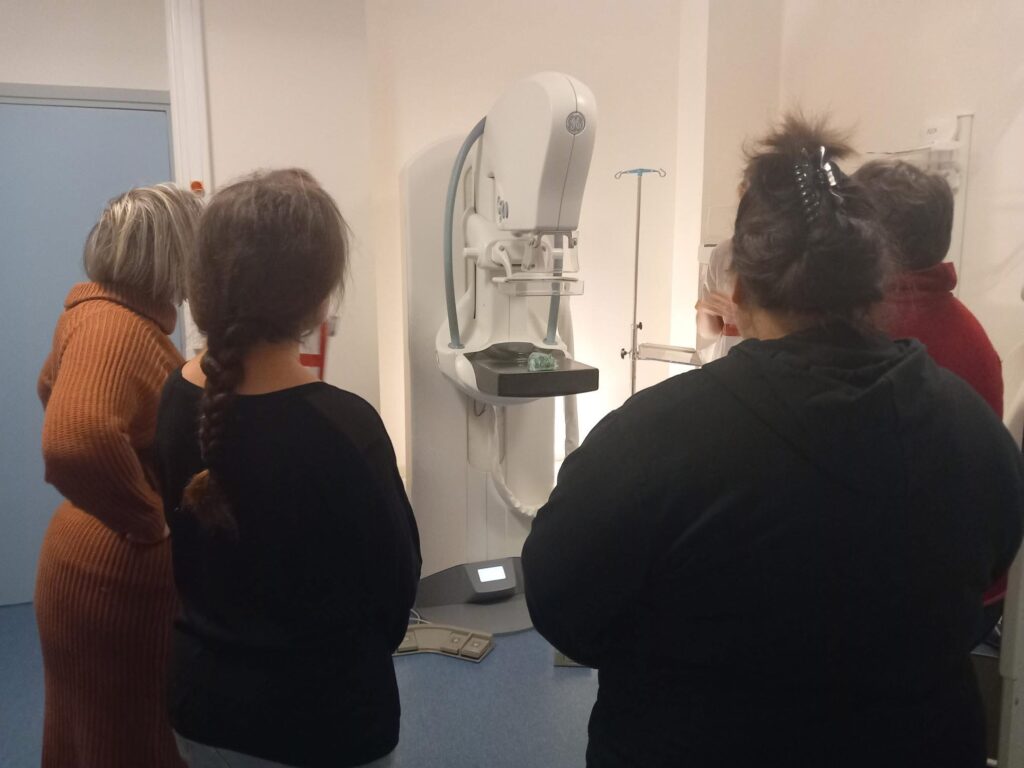
This initiative, which has taken place twice a year since 2019, is made possible thanks to the cooperation and coordination of the following partners: the RSVA, the Centre Baclesse, the Centre Régional de Coordination des Dépistages des Cancers (CRCDC), and La Ligue Contre le Cancer.
A conference committed to inclusive healthcare
In the evening, the Baclesse Center hosted an exceptional conference on the theme of "Disability & Cancer," bringing together more than 60 professionals from the medical and medico-social sectors. Among the highlights:
- Pascal Jacob, founder of the Romain Jacob Charter, honored us with his presence and forcefully reminded us that healthcare is a fundamental right for all, and that healthcare structures must adapt, not the other way round.
- Michael CANOVAS, Deputy Director General of the Baclesse Center, said: "The François Baclesse Center has an essential responsibility: to be a champion of inclusion for all patients, especially those with disabilities, who too often suffer from social exclusion. This involves personalized care pathways, tailored to each individual's specific characteristics. These commitments fully reflect the values of the Unicancer Network—Humanity, Solidarity, Innovation, and Excellence—which we uphold every day to offer each patient dignified care. This is the DNA of the CLCCs."
- Karine Grandin, the Center's disability referent, presented the daily work involved in supporting each patient according to his or her needs, in a spirit of listening and co-construction.
- Hélène Geurts, from RSVA, took stock of the obstacles encountered by people with disabilities in accessing screening, and put forward some concrete ways of overcoming them.
- Sébastien DELESCLUSE, Deputy Director General of ARS Normandie, presented the involvement and role of ARS in terms of creating, supporting and evaluating territorial schemes.
A signature that commits the Centre
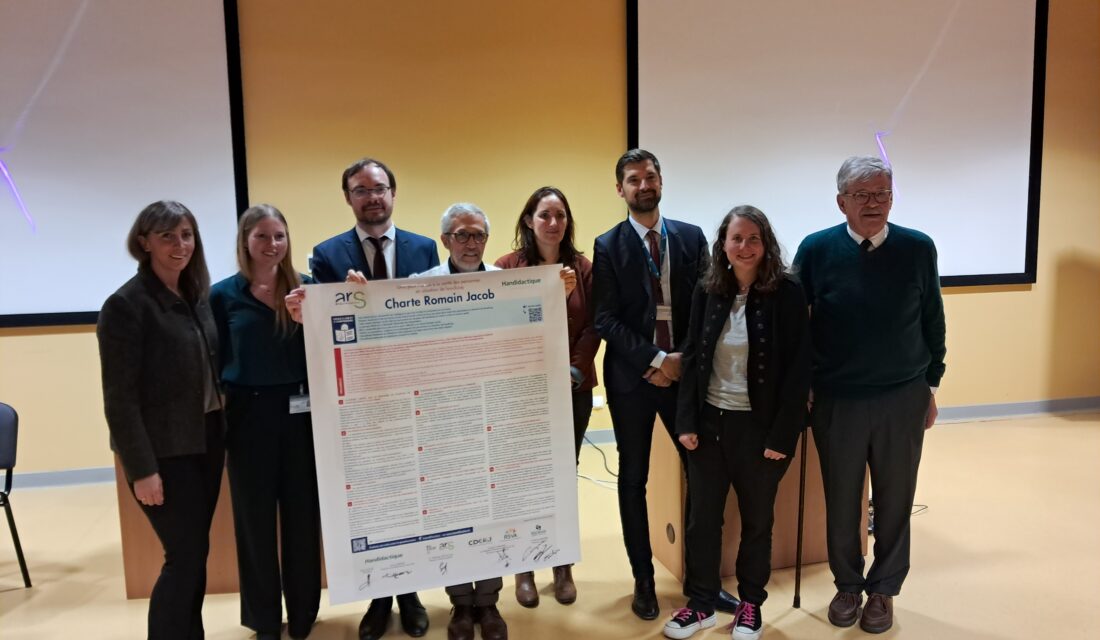
The event was marked by a symbolic moment: the renewal of the Centre François Baclesse's commitment to the Romain Jacob Charter, to be signed in 2021, which remains a compass for guaranteeing appropriate care that respects each person's life path.
"We have a collective responsibility to ensure that health is never a privilege, but a universal right. The François Baclesse Center is committed to continuing and strengthening its efforts to offer every patient, regardless of their disability, appropriate, respectful, and inclusive care. This is not only an ethical imperative, but also a human requirement that we must defend with conviction," explained Prof. Roman ROUZIER, Director General of the Baclesse Center.
Special care at the Centre Baclesse for people with disabilities
At Baclesse, a pair of "disability advisors" work daily to improve care for people with disabilities. Their strength: one is a social worker (C.E.S.F.), the other is a nurse. This complementary approach allows them to look at each patient's situation from different perspectives, thereby promoting comprehensive and personalized care. The aim is to reduce inequalities in access to care and screening, identify patients' needs in order to facilitate their care pathway, while allowing them to remain as involved as possible in their own care. "We have this dynamic of 'working with' the patient as much as possible, rather than 'working for' them," explains Karine GRANDIN, the hospital's disability advisor.
Focus on the Romain Jacob Charter
Created in 2014 at the initiative of the Handidactique association, whose director, Ms. Vesna VIRIJEVIC, was present at the conference, the Romain Jacob Charter is a founding document that promotes equal and adapted access to care for people with disabilities. Drawn up by and for these people, it is based on 12 key recommendations, including the importance of a caring and adapted welcome, access to clear and accessible information, and the training of healthcare professionals to better respond to specific needs. Today, this charter is a benchmark in the fight against health inequalities, and its application aims to build an inclusive, respectful and supportive healthcare system.